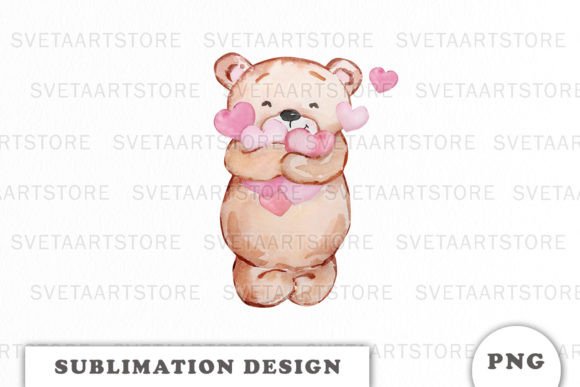
Watercolor Valentine's Day Teddy Bear PN Review
First Impressions: Soft Aesthetics Meet Stitch Reality
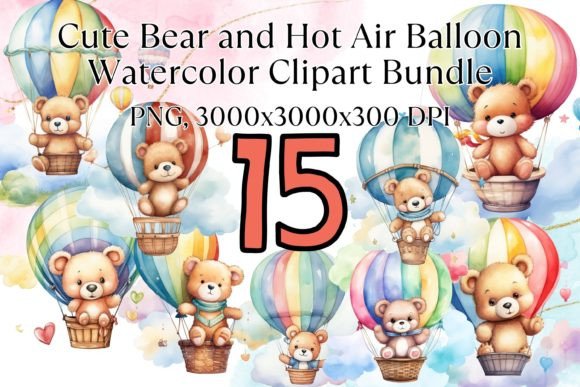
When evaluating a new machine embroidery design for my studio, I look past the digital rendering to imagine how it will actually behave under the needle. The Watercolor Valentine s Day Teddy Bear PN immediately stands out because of its gentle, illustrative quality. Unlike rigid, cartoonish vectors often found in holiday categories, this design leans into the Illustrations category with a painterly softness that translates beautifully to thread. The mood is undeniably nostalgic and tender, making it feel less like generic clip art and more like a curated piece of art.
As a designer, my first concern with watercolor-style embroidery files is always edge definition. Digital watercolors have soft, fading borders, but embroidery machines require definitive stop points. In reviewing this file, I am looking for how well the digitizer has interpreted those soft edges into either a light running stitch boundary or a blended fill stitch gradient. If the transition is too abrupt, you lose the watercolor magic; if it is too vague, the design looks messy on fabric. This particular design seems to balance that artistic intent with technical structure, suggesting it was digitized with actual stitching in mind rather than just being an auto-trace of a painting.
Real-World Application: Stitching a Custom Nursery Pillow
To truly judge the viability of Watercolor Valentine s Day Teddy Bear PN, I mentally placed it in a specific production scenario: creating a personalized nursery pillow for a client’s Valentine’s Day baby announcement gift. This use case tests both aesthetic appeal and technical durability. Pillows are handled frequently, washed occasionally, and need to maintain their charm over time.
For this project, I would pair the bear with a simple, elegant script name below it. The visual weight of the teddy bear needs to anchor the composition without overwhelming the personalized text. Because this is a personalized gift, the design must leave adequate negative space for customization. In my assessment, the layout of this bear allows for flexible placement of monograms or dates, which is crucial for Etsy sellers and small shop owners who rely on customization as a primary selling point.
Stitching this onto a cotton-linen blend pillow cover requires careful stabilizer selection. Watercolor styles often utilize varying stitch density to create shading effects. On a woven fabric like linen, I would use a medium-weight cutaway stabilizer to prevent puckering in the lighter fill areas while supporting the denser outline sections. If I were using this for a sweatshirt embroidery project instead, I would switch to a fusible mesh stabilizer to handle the stretch of the knit fabric without adding unnecessary bulk that could distort the delicate watercolor illusion.
Best Use Cases for Commercial and Personal Projects
This design shines brightest when the end product benefits from a soft, handcrafted aesthetic. Based on the visual style and typical construction of illustrative embroidery files, here is where I see the most value:
- Baby Embroidery: The gentle color palette and non-aggressive styling make this ideal for onesies, bibs, and blankets. It avoids the harsh plastic look that can sometimes detract from heirloom-quality baby items.
- Tote Bag Design: Canvas totes provide a stable base for complex fill stitches. The watercolor texture pops against natural cotton duck cloth, making it a strong contender for boutique merchandise or craft fair products.
- Holiday Embroidery: Beyond just February 14th, the timeless nature of a teddy bear allows this to cross over into general winter nursery decor or "just because" gifts, extending the shelf life of your inventory.
- Digital Product Previews: For sellers of digital assets, this design renders exceptionally well in printable mockups. The artistic detail helps convey value to buyers browsing online listings before they even purchase the file.
Technical Caution Zones: Where to Pause and Test
No design is universal, and Watercolor Valentine s Day Teddy Bear PN requires mindfulness regarding substrate and scale. As an experienced reviewer, I must highlight where caution is necessary to avoid wasted materials and frustration.
Fabric Texture and Contrast
Watercolor embroidery relies on subtle thread color blending. High-pile fabrics like terry cloth or plush fleece can swallow these details, turning a nuanced illustration into a muddy blob. I recommend sticking to smooth, tight-weave fabrics for this specific style. Additionally, contrast is key. While the bear likely works on white or cream, testing on dark fabrics is essential. If the design lacks a solid white underlay base, the dark fabric might show through the lighter pastel threads, muddying the intended watercolor effect. Always run a test swatch on dark backgrounds before committing to a full production run.
Size Reduction Risks
Illustrative designs often contain intricate details that do not scale down gracefully. Before resizing this embroidery file for a small hoop size or a cap, inspect the smallest elements. Eyes, noses, and paw pads in watercolor styles may rely on open fills that become unstable if reduced below a certain threshold. If you plan to use this for an embroidered patch or hat logo, verify that the critical details remain distinct at your target size. You may need to edit out minor background splashes or simplify internal shading to maintain clarity at smaller dimensions.
Elevating Product Value Through Presentation
The choice of design directly influences perceived value. In the competitive landscape of handmade products and custom apparel, customers are drawn to items that feel unique and professionally executed. Watercolor Valentine s Day Teddy Bear PN offers a distinct advantage over standard satin stitch cartoons because it mimics traditional media. This artistic association justifies a higher price point for finished goods.
For commercial embroidery businesses, consistency is trust. Using high-quality illustrative assets signals to clients that you care about aesthetics, not just coverage. When photographing finished items featuring this bear, ensure your lighting captures the thread sheen and texture. Flat, harsh lighting can flatten the watercolor effect, making it look like a print rather than embroidery. Natural, diffused lighting will highlight the dimensional quality of the stitches, reinforcing the handmade nature of the product in your marketing photos.
Designer Notes: Essential Pre-Stitch Checklist
Before loading Watercolor Valentine s Day Teddy Bear PN into your machine for a paid order or final gift, run through this practical checklist to ensure professional results:
- Verify Licensing: Confirm whether your purchase includes commercial rights for selling finished products versus digital redistribution. Never assume; always check the specific license terms provided with the file.
- Check File Compatibility: Ensure the format matches your machine. While most modern machines read multiple formats, conversion can sometimes alter stitch paths in complex fill areas. Use native formats whenever possible.
- Test Stitch Density: Run a sample on your intended fabric. If the watercolor fills feel too stiff or bulletproof, the density may be too high for that specific material. Conversely, if the fabric shows through excessively, you may need to add an underlay or adjust pull compensation.
- Thread Color Matching: Watercolor effects depend heavily on accurate thread colors. Compare your physical thread chart to the design’s color sheet. A slight variance in pink or brown tones can shift the mood from warm to cool, affecting the overall harmony.
- Mockup Validation: Create a black and white mockup to check value contrast independent of color. If the design reads clearly in grayscale, it will have strong visual impact in thread. If it turns into a flat gray mass, you may need to adjust color values for better separation.
Ultimately, Watercolor Valentine s Day Teddy Bear PN represents a thoughtful intersection of art and utility. It invites makers to move beyond basic seasonal clichés and offer something with genuine emotional resonance. By respecting the technical requirements of illustrative embroidery and pairing it with appropriate fabrics and applications, you can transform this digital asset into a cherished, tangible keepsake that delights clients and strengthens your brand’s reputation for quality craftsmanship.