Flowers in Pots: Watercolor Embroidery Review
As a designer who spends more time behind an embroidery machine than a computer screen, I approach every new machine embroidery design with a healthy dose of skepticism. We have all downloaded files that look stunning on a monitor but turn into thread nests or stiff cardboard patches once stitched out. When I first opened the Flowers in Pots, Watercolor Drawn file, I was looking for more than just aesthetic appeal; I was evaluating its structural integrity for real-world production. This review breaks down how this specific illustration translates from digital art to tangible textile, specifically for makers and shop owners who need reliability alongside beauty.
First Impressions and Visual Mood
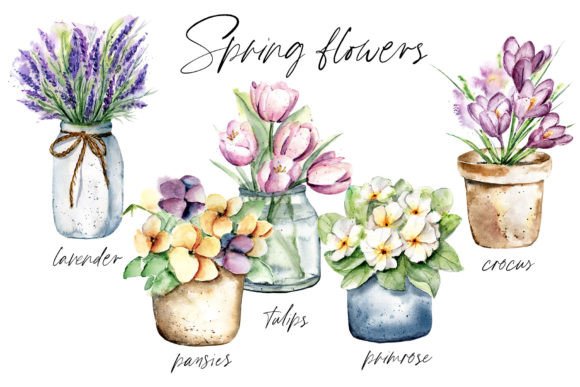
The immediate strength of Flowers in Pots, Watercolor Drawn lies in its organic softness. In the category of Illustrations, watercolor styles are notoriously difficult to digitize effectively because they rely on blending and transparency, two things thread cannot naturally replicate. However, this design manages to capture that painterly essence without relying on excessive density. The layout feels balanced and whimsical, evoking a sense of cottage-core nostalgia that is currently dominating the handmade product market.
Visually, the pots anchor the composition, providing a necessary geometric base for the fluid floral elements. This balance is crucial for embroidery. If the flowers were too sprawling without the visual weight of the pots, the design might look top-heavy or uncentered on a finished garment. The personality here is gentle and inviting, making it an ideal candidate for items meant to comfort or delight, rather than bold statement pieces meant for high-visibility branding.
Real-World Application: The Custom Tote Bag Test
To truly evaluate this embroidery file, I mentally placed it in a recent client scenario: creating a run of premium canvas tote bags for a local botanical garden’s gift shop. Canvas is unforgiving; it has a coarse fabric texture that can swallow fine details, yet it is heavy enough to support moderate density.
For this project, Flowers in Pots, Watercolor Drawn performs exceptionally well because the pot elements likely utilize fill stitch areas that provide a solid foundation, while the floral accents use directional stitching to mimic brush strokes. On a tote bag, this design would sit perfectly centered above the bottom seam. Unlike complex applique design files that require precise fabric placement, this watercolor style relies on thread play, which reduces the risk of user error during production. For an Etsy seller or small shop owner, this means faster turnaround times and fewer ruined blanks. The design communicates "artisanal" rather than "mass-produced," which directly supports higher price points and customer trust.
Ideal Projects for Commercial and Personal Use
Beyond tote bags, this design shows versatility across several high-demand categories:
- Sweatshirt Embroidery: Placed on the left chest or centered on a crewneck, the design adds value to custom apparel. The watercolor aesthetic pairs beautifully with heather gray, sage green, or cream fleece.
- Baby Embroidery: Because the motif avoids sharp edges or aggressive colors, it is perfect for nursery decor, bibs, or blanket corners. It fits the "sweet and safe" criteria parents look for.
- Kitchen Textiles: Tea towels and aprons are natural homes for potted plant imagery. Here, the design serves as functional decor that withstands the thematic expectations of kitchenware.
- Holiday Embroidery: Depending on the color palette used, this can easily transition into spring Easter goods or autumn harvest themes, extending the shelf life of your design assets.
Technical Cautions and Fabric Limitations
While Flowers in Pots, Watercolor Drawn is versatile, it is not bulletproof. As an experienced reviewer, I must highlight where caution is required to protect your reputation and materials.
Stretchy Fabrics and Knits: Watercolor effects often require varying stitch lengths and directions to create shading. On highly elastic fabrics like performance tees or thin jersey, this can cause tunneling or distortion if the stabilizer choice is inadequate. Always use a cut-away stabilizer for knits when using this type of digital embroidery file.
Dark Fabrics: Watercolor designs typically assume a light background to simulate the white of paper showing through paint. Stitching this on black or navy fabric may result in a loss of depth unless you adjust thread colors to include highlights or underlay bases. Test first.
Curved Surfaces: Avoid placing this design on structured caps or curved seams. The perspective of the pots will distort on a 3D surface, breaking the illusion of the illustration. Stick to flat hooping areas.
Small Hoop Sizes: Do not shrink this design below its recommended minimum size. Watercolor details rely on specific stitch spacing. Reducing the size increases stitch density artificially, leading to puckering and lost definition in the petals.
Impact on Product Value and Buyer Engagement
In the competitive landscape of commercial embroidery, presentation is everything. A clean, professional stitch-out of Flowers in Pots, Watercolor Drawn signals competence. When customers see crisp transitions between the pot and the flower, and smooth shading without gaps, they perceive higher quality. This directly influences buyer engagement on platforms like Etsy or at craft fairs.
Furthermore, this design enhances giftability. A personalized gift featuring this motif feels thoughtful and bespoke. For business owners, offering this as part of a curated collection helps establish brand consistency. It moves your shop away from generic clip-art vibes toward a cohesive, artistic identity. Even in printable mockups, the distinct shape of the potted flowers allows for easy visualization, helping customers commit to a purchase before a single needle is threaded.
Designer Notes for Successful Execution
Before you load this embroidery project into your machine for a final product, adhere to these professional best practices:
- Verify Specifications: Since specific stitch counts and dimensions vary by vendor, always check the included documentation for the exact hoop size requirements and recommended formats. Never assume compatibility.
- Test on Scrap: Always stitch a test run on the actual fabric you intend to use. A test on cotton muslin does not guarantee success on linen or terry cloth.
- Check Licensing: Confirm whether your license covers physical finished product sales, digital redistribution, or both. Protecting your business starts with respecting intellectual property terms.
- Thread Contrast Check: View your thread palette in natural lighting. Watercolor relies on subtle tonal shifts; ensure your threads have enough contrast to define the separate elements of the illustration.
- Mockup Testing: Create both light and dark background mockups to see how the design reads digitally. This helps in writing accurate product descriptions and setting customer expectations.
Flowers in Pots, Watercolor Drawn represents a strong intersection of artistic charm and technical viability. For the maker willing to respect the nuances of fabric and stabilizer, it offers a pathway to creating products that feel genuinely handcrafted. Whether you are building a boutique inventory or stitching a meaningful gift, this design brings a level of sophistication that elevates the standard embroidery repertoire. Treat it with care during production, and it will serve as a reliable asset in your creative toolkit.