Happy Valentine's Day Watercolor Design Review
When evaluating a new machine embroidery design for my studio, I look past the digital preview and imagine the needle hitting fabric. The Happy Valentine s Day Watercolor Design immediately caught my eye as a potential staple for seasonal inventory, but as any experienced embroiderer knows, a beautiful screen image does not always translate to a clean stitch-out. This review breaks down how this specific illustration performs when moved from a digital file to a tangible handmade product, focusing on practical application for business owners and serious hobbyists.
First Impressions and Visual Mood
My initial assessment of the Happy Valentine s Day Watercolor Design is that it leans heavily into softness and nostalgia. Unlike bold, graphic vector art often seen in holiday collections, this piece mimics the fluidity of painted media. For an Etsy seller or boutique owner, this aesthetic is currently in high demand because it feels personal rather than mass-produced. The layout suggests a romantic, vintage-inspired mood that works exceptionally well for customers seeking something less aggressive than traditional bright red hearts.
However, translating watercolor effects into thread requires careful consideration of stitch density. In the digital proof, the gradients appear seamless. In reality, achieving this look relies on complex layering of fill stitch patterns and varying thread colors. As a designer, I appreciate that this file doesn't just block out color; it attempts to replicate brush strokes. This makes it an ideal candidate for products where visual texture adds value, such as nursery decor or personalized gifts, but it also demands respect during the hooping process.
Real-World Application: The Sweatshirt Test
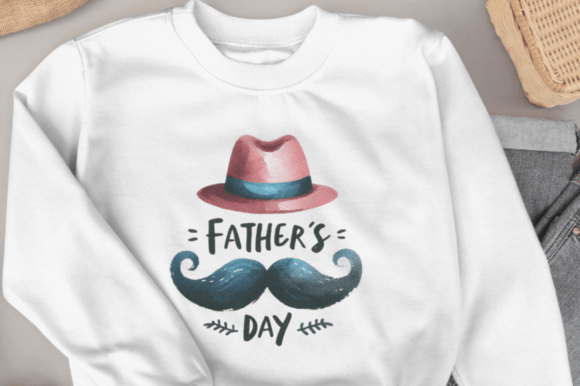
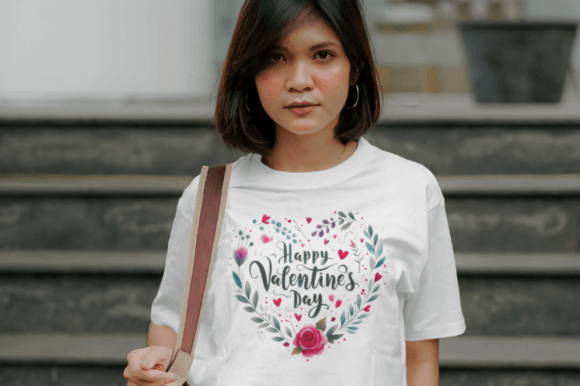
To truly judge the viability of this embroidery file, I mentally walked through a recent client request for a custom Valentine’s crewneck sweatshirt. Sweatshirts are a staple for custom apparel, but their fleece backing and stretchy knit structure can be unforgiving. The Happy Valentine s Day Watercolor Design fits this use case beautifully, provided you adjust your expectations and preparation.
For this specific project, the design serves as a center chest focal point. Because the artwork has a softer edge typical of watercolor illustrations, it blends naturally with the casual texture of cotton fleece. A crisp, high-density satin border might look too rigid here, so the organic nature of this design is actually a technical advantage. It allows for a bit of registration forgiveness that geometric designs do not offer. When stitching this onto a sweatshirt, the result feels like a premium boutique branding element rather than a stiff patch glued onto fabric. Customers reacting to this style often perceive higher value because the embroidery looks integrated into the garment's vibe rather than sitting aggressively on top of it.
Fabric Compatibility and Technical Caution
While the Happy Valentine s Day Watercolor Design excels on stable knits and woven cottons, there are specific scenarios where I would advise caution. If you are planning to use this for baby embroidery on thin onesies or lightweight linen tea towels, you must verify the stitch count and density first. Watercolor-style digitizing can sometimes be dense to achieve color blending. On thin fabrics, this density can cause puckering or fabric distortion, even with proper stabilizer.
I would also hesitate to use this particular illustration on highly textured fabrics like terry cloth towels or uneven canvas tote bags without significant modification or testing. The subtle shading details that make this design special can get lost in the nap of a towel. Similarly, if you are creating embroidered patches for caps, ensure the design scales down legibly. Watercolor edges can become muddy at very small sizes. Always check your hoop size limitations and resize responsibly; reducing a complex shaded design by more than 10-15% often results in thread breaks and lost detail.
Navigating Dark Fabrics and Contrast
This design was likely digitized with light backgrounds in mind. If you intend to stitch this on dark navy or black apparel, you cannot simply change the thread colors. The underlying white base stitches necessary for watercolor shading may show through or require a complete re-digitization to accommodate a dark background. For commercial embroidery businesses offering this on multiple garment colors, I recommend running a test sew-out on both white and dark fabric. You may need to add an underlay or adjust the top thread palette to maintain the intended contrast and prevent the design from looking washed out against darker materials.
Commercial Viability for Makers and Sellers
For those running a craft business or selling on platforms like Etsy, the Happy Valentine s Day Watercolor Design offers strong commercial potential due to its versatility. It bridges the gap between adult romance and sweet familial love, making it appropriate for wife gifts, daughter valentines, or teacher appreciation items. This broad appeal maximizes the return on investment for the digital embroidery file.
When listing finished products, presentation is everything. Because this design mimics paint, your printable mockup or product photography should reflect that softness. Avoid harsh flash photography that flattens the thread sheen. Instead, use natural lighting to capture the dimensionality of the stitches. Buyers engaging with design assets in this category are looking for emotion; your listing photos should confirm that the physical product retains the digital charm. Furthermore, always double-check the licensing terms included with the file. Ensure you have the right to sell the physical embroidered item versus the digital file itself, as these permissions differ significantly for small shop product creators.
Essential Designer Notes Before Stitching
Before you commit this Happy Valentine s Day Watercolor Design to a final product, run through this practical checklist to ensure professional results:
- Test on Scrap Fabric: Never stitch a complex shaded design directly on a final garment without a test run. Use a scrap piece of the exact same material and stabilizer combination you plan to use for the real project.
- Verify Thread Colors: Watercolor designs often require specific thread shades to create gradient illusions. Check if your machine brand’s palette matches the digitizer’s recommendations, or map out substitutions beforehand to avoid jarring color transitions.
- Inspect Small Details: Zoom in on the file in your editing software. Look for tiny jump stitches or isolated satin columns that might fray. If the lettering is included and extremely small, consider replacing it with a simpler font or removing it entirely to preserve clarity.
- Stabilizer Selection: Match your stabilizer weight to the design density. For this watercolor style, a medium-weight cutaway usually provides better long-term support than tear-away, especially on apparel that will be washed frequently.
- Mockup Validation: Create a black and white version of your digital mockup. If the design reads well without color, the structural integrity is sound. If it disappears, the contrast relies too heavily on hue rather than value, which can be risky in embroidery.
- Licensing Confirmation: Before listing any personalized gift or merchandise for sale, read the license agreement attached to the Happy Valentine s Day Watercolor Design. Confirm whether attribution is required or if there are limits on production quantity.
Final Verdict on Usability
The Happy Valentine s Day Watercolor Design is a sophisticated addition to any embroiderer's library, particularly for those targeting the modern, sentimental market. It moves beyond generic clip art into the realm of textile art, offering a unique selling proposition for holiday embroidery projects. While it requires mindful preparation regarding fabric choice and stabilization, the payoff is a finished product that feels curated and high-end. Whether you are decorating a tote bag, personalizing a baby blanket, or expanding your shop’s seasonal offerings, this illustration brings a gentle, artistic quality that resonates with buyers looking for meaningful handmade goods. Just remember: treat it as a painting rendered in thread, and your results will honor the artistry of the original design.