Watercolor Safari Animals Clipart Set Review
First Impressions: Translating Paint to Thread
As an embroidery designer who has digitized countless nursery themes and boutique apparel lines, I approach any new machine embroidery design with a healthy dose of skepticism. Digital art looks beautiful on a screen, but the true test is how those pixels translate into physical stitches. When evaluating the Watercolor Safari Animals Clipart Set, my immediate focus was not just on the aesthetic charm, but on the structural integrity required for real-world production. These illustrations possess a soft, organic quality that is currently dominating the handmade market, yet that same watercolor fluidity presents unique challenges for digitizing.
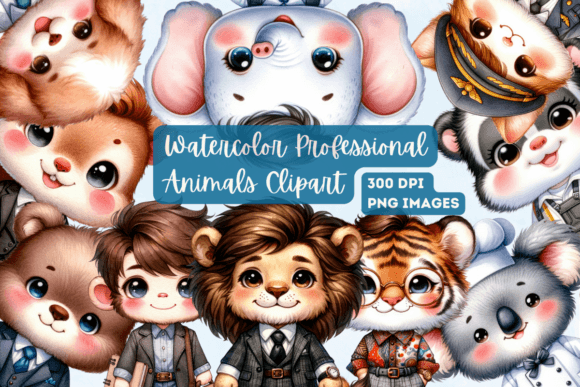
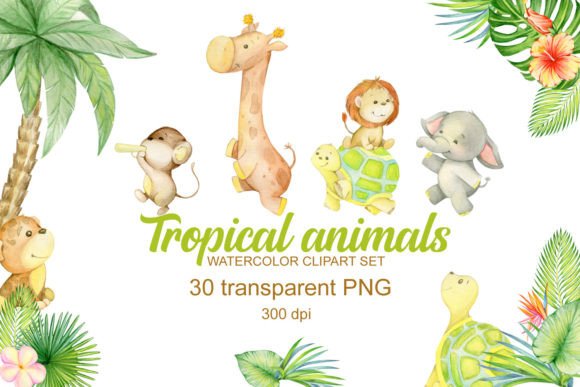
The visual personality of this set leans heavily into gentle realism rather than cartoonish abstraction. This distinction matters immensely for product value. For a craft business or Etsy seller, this maturity in style suggests higher price points and broader demographic appeal. However, as I reviewed the artwork, I was mentally mapping out stitch types. Watercolor effects require complex blending, which in embroidery means managing high stitch density and frequent color changes. My first impression was positive regarding the artistic direction, but cautious regarding the technical execution needed to maintain that painterly look without creating bulletproof patches on delicate fabrics.
Real-World Application: The Custom Tote Bag Test
To truly judge the viability of the Watercolor Safari Animals Clipart Set, I envisioned a specific scenario: creating a premium canvas tote bag for a client’s baby shower gift line. Tote bags are a staple embroidered patch and apparel decorator project, but they are unforgiving. Canvas has a distinct fabric texture that can swallow fine details, and customers expect these bags to withstand heavy use and washing.
In this context, the safari animals need to serve as a focal point without overwhelming the utility of the bag. I considered how a lion or elephant motif from this set would sit centered above the pocket area. The challenge here is scale. If the embroidery file is too small, the watercolor shading turns into muddy fill stitches. If it is too large, the hoop size requirements might exceed standard commercial machine capabilities, or the stabilizer needed could leave permanent hoop marks on the natural canvas.
For this tote bag project, I determined that the designs work best when treated as mixed media or applique design foundations. Using the clipart as a guide for a printed fabric background with embroidered outlines preserves the watercolor nuance while reducing stitch count. Alternatively, if stitching the entire image, one must verify that the digitizer used appropriate underlay to prevent the canvas weave from distorting the animal's facial features. A finished product in this category succeeds only when the softness of the art contrasts intentionally with the durability of the stitch structure.
Best Use Cases Across Product Categories
Beyond tote bags, this collection shows immense promise for specific niches where soft aesthetics drive sales. Based on my review, these illustrations are ideally suited for:
- Baby Embroidery and Nursery Decor: The gentle color palette makes this perfect for onesies, bibs, and pillow covers. Parents respond to non-aggressive, nature-inspired themes.
- Sweatshirt Embroidery: Placing a smaller animal element on the left chest or cuff of a cream-colored sweatshirt creates a high-end boutique feel that generic vector art cannot achieve.
- Holiday Embroidery and Gifts: While safari isn't traditional holiday fare, these animals work beautifully for gender-neutral baby showers or woodland-themed birthday parties year-round.
- Digital Product Previews: For sellers of printable mockups or digital assets, the high-resolution nature of these illustrations allows for professional presentation before a single needle is threaded.
Technical Caution Zones: Where to Pause and Plan
Experience tells me that even the most beautiful embroidery project can fail if applied to the wrong substrate. With the Watercolor Safari Animals Clipart Set, there are specific environments where I would advise extreme caution. Detailed corners and tiny lettering often accompany these illustrations; on stretchy fabric like jersey knits, these elements are prone to registration errors unless you use aggressive stabilization and potentially a topping.
I would also hesitate to use full-coverage versions of these designs on dark fabric. Watercolor relies on light passing through layers to create depth. On black or navy material, you lose that luminosity unless you stitch a white underbase first, which significantly increases stitch density and stiffness. Similarly, curved surfaces like caps present a risk. The distortion inherent in cap frames can warp the organic shapes of safari animals, making them look unintentionally caricatured. Always test on a scrap cap before committing to a production run.
Furthermore, consider the washability factor. Items like kitchen towels and aprons face harsh laundering. If the embroidery file uses excessive satin stitch borders to define the watercolor edges, those borders may pull or fray over time. Running stitch or textured fill stitch interpretations of the clipart will always outlast smooth satin finishes on utilitarian items.
Designer Notes for Professional Results
Before listing any personalized gift or custom apparel item featuring this set, run through this practical checklist to protect your brand reputation:
- Verify Licensing: Confirm whether the license covers commercial embroidery specifically. Selling the digital embroidery file itself versus selling a finished product often requires different permissions.
- Test Stitch Density: Run a sample on your intended fabric. If the design feels stiff or cardboard-like, you need to adjust the density or choose a lighter weight stabilizer.
- Check Thread Colors: Watercolor gradients require precise thread matching. Compare your physical thread chart against the digital file. What looks like a soft beige on screen might stitch out as a stark yellow depending on your brand.
- Mockup Validation: Create a black and white mockup to check contrast. If the animal disappears in grayscale, it lacks sufficient definition for certain fabric backgrounds.
- Hoop Size Confirmation: Never assume a design fits your hoop. Measure the actual stitch field, not just the bounding box, to avoid mid-design jump stitch disasters.
Elevating Brand Value Through Intentional Design
Ultimately, the Watercolor Safari Animals Clipart Set offers more than just cute imagery; it offers an opportunity to elevate the perceived value of your handmade products. In a saturated market, buyers engage with items that feel curated and professionally executed. By treating these illustrations as serious design assets rather than quick clipart solutions, you signal quality to your customers.
Whether you are an Etsy seller looking to refresh your shop or a hobbyist making a meaningful gift, success lies in respecting the medium. Embroidery is tactile and permanent. When you align the ethereal beauty of watercolor illustrations with the technical realities of stitch types, fabric texture, and proper stabilization, you create a finished product that honors both the art and the craft. Take the time to test, adapt, and refine. Your customers will recognize the difference between a rushed transfer and a thoughtfully crafted piece of wearable art.