Watercolor Professional Animals Clipart Review
As a designer who spends more time behind an embroidery machine than a computer screen, I approach digital assets with a healthy dose of skepticism. Beautiful illustrations on a monitor do not always translate to beautiful stitches on fabric. When evaluating the Watercolor Professional Animals Clipart collection, my primary concern was not just aesthetic appeal, but practical viability for real-world embroidery projects. This review reflects my hands-on assessment of how these illustrations perform when converted from pixels to thread, specifically for makers and small business owners who need reliable results.
First Impressions: Soft Aesthetics Meet Stitch Reality
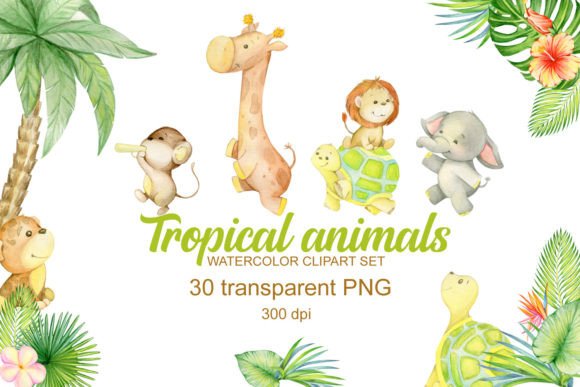
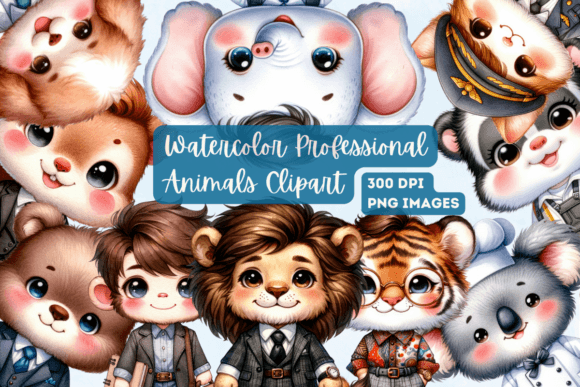
My initial reaction to this collection was that it captures a specific, high-demand mood. The watercolor style suggests softness, organic movement, and a gentle professionalism that is currently trending in the handmade market. Unlike rigid vector art, these illustrations possess fluid edges and color blending that mimic paint. For an embroidery designer, this presents both an opportunity and a challenge.
The visual personality of these animals feels appropriate for nursery decor, boutique baby apparel, and personalized gifts. They avoid the cartoonish look that can sometimes cheapen a finished product, leaning instead toward a refined, storybook illustration style. However, as I examined the files, I had to mentally map how those watercolor gradients would translate into stitch types. True watercolor effects in machine embroidery require complex layering of fill stitches or specialized shading techniques. If this clipart is intended as a base for digitizing, the color separation is distinct enough to guide thread selection. If it is meant for sublimation combined with embroidery, the soft edges provide excellent registration guides for satin stitch borders or applique designs.
Real-World Application: The Custom Sweatshirt Test
To truly judge the utility of Watercolor Professional Animals Clipart, I envisioned a specific client project: a custom embroidered sweatshirt for a fall boutique launch. The goal was to create a woodland-themed crewneck that felt premium rather than crafty. I selected a fox illustration from the set to serve as the centerpiece.
In this scenario, the design’s composition mattered immensely. Sweatshirt embroidery requires a design that sits flat on the chest without distorting the garment's drape. The animal illustrations in this set have a balanced center of gravity, which is crucial for preventing puckering on knit fabrics. I found that the organic shapes allowed for a more natural placement than geometric animal designs. When planning the stitch-out, the watercolor aesthetic dictated a move away from heavy, dense fills. Instead, I opted for a combination of running stitches for fine details and lighter density fill stitches to mimic the transparency of watercolor paint. This approach maintained the garment's softness, ensuring the sweatshirt remained comfortable to wear—a critical factor for customer satisfaction and repeat business.
For Etsy sellers and craft business owners, this versatility is the collection's strongest asset. These illustrations work equally well for tote bag designs, where the larger canvas allows for more intricate shading, and for smaller items like embroidered patches or tea towels. The professional quality of the artwork elevates the perceived value of the finished product, helping justify higher price points in competitive marketplaces.
Navigating Technical Limitations and Fabric Choices
While the artistic merit is high, practical application requires caution. Watercolor styles are unforgiving on certain substrates. Based on my experience, here is where you must be deliberate:
- Textured Fabrics: Avoid using these detailed illustrations on terry cloth, chenille, or heavily textured linen. The subtle color transitions and fine lines characteristic of watercolor art will get lost in the fabric pile. Smooth cottons, poly-cotton blends, and high-quality fleece are superior choices.
- Stretchy Knits: Because watercolor designs often cover a moderate area to show off shading, stabilizer choice is non-negotiable. On stretchy sweatshirt material or jersey knits, use a cut-away stabilizer to prevent the design from warping after washing. A floating technique may be necessary to avoid hoop burn on delicate baby clothes.
- Small Hoop Sizes: Resist the urge to shrink these designs below their recommended minimum size. Watercolor details rely on color blending; reducing the design too much forces the machine to compress stitches, resulting in a muddy, bulletproof patch of thread rather than a soft image. Always check the minimum dimensions before purchasing a digital embroidery file derived from this art.
- Dark Fabrics: Watercolor is inherently translucent. Stitching these designs directly onto black or navy fabric will result in poor contrast and lost detail. Use a white underlay or consider an applique design method where the animal is stitched onto white fabric first, then applied to the dark garment.
Impact on Brand Consistency and Customer Trust
For creative entrepreneurs, consistency builds brand recognition. Using a cohesive set like Watercolor Professional Animals Clipart allows for the creation of matching product lines. Imagine offering a personalized baby blanket, a coordinating bib, and a nursery pillow cover all featuring animals from the same artistic family. This level of curation signals professionalism to buyers.
Furthermore, the "professional" aspect of this title holds up. The anatomy and proportions are correct, avoiding the uncanny valley effect that plagues cheaper clipart. When customers receive a handmade product featuring these animals, the quality of the source art reinforces the quality of your stitching. It bridges the gap between digital design assets and tangible heirloom pieces. For those selling printable mockups or digital products, these illustrations also serve as excellent placeholders that accurately represent the final embroidered look, reducing returns and misaligned expectations.
Essential Designer Notes Before You Stitch
Before incorporating Watercolor Professional Animals Clipart into your commercial embroidery workflow or personal projects, adhere to these best practices:
- Verify Licensing: Confirm whether your purchase includes commercial rights for finished physical products versus digital redistribution. Terms vary significantly between platforms.
- Test Stitch on Scrap: Never run a new design on a final product first. Test on a scrap of the exact fabric and stabilizer combination you plan to use. Check for registration issues between color blocks.
- Evaluate Thread Colors: Watercolor art often requires many thread changes to achieve gradient effects. Audit the color chart against your thread inventory. Can you simplify the palette without losing the essence of the design? Sometimes fewer colors yield a cleaner stitch-out.
- Check Stitch Density: If you are digitizing this clipart yourself, aim for lower densities. Standard fill settings are often too thick for watercolor aesthetics. Utilize tatami fills with increased spacing or specialized texture stitches.
- Mockup in Black and White: View the design in grayscale before stitching. This reveals whether the contrast relies solely on color hue or if there is sufficient value difference to define the animal's features in thread.
Ultimately, Watercolor Professional Animals Clipart serves as a sophisticated foundation for embroidery projects that demand a blend of artistic nuance and technical precision. By respecting the limitations of thread and fabric while leveraging the collection's inherent elegance, makers can produce standout items that resonate with clients seeking quality over quantity. Whether you are creating holiday embroidery gifts, stocking an Etsy shop, or fulfilling custom apparel orders, treating this artwork with professional care ensures the final stitched result honors the original illustration.