Watercolor Locomotive PNG Clipart Review
First Impressions: Translating Paint to Thread
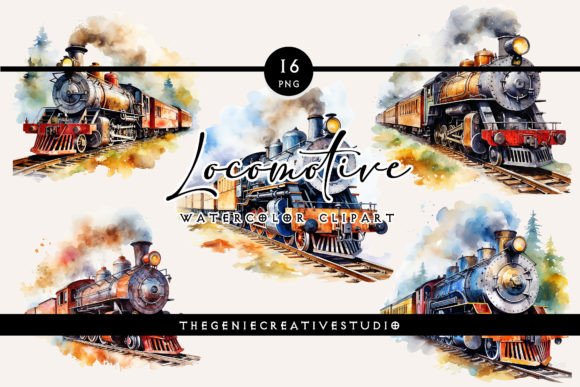
As an embroidery designer who has digitized countless illustrations, my first reaction to the Watercolor Locomotive PNG Clipart was cautious optimism. Watercolor aesthetics are notoriously difficult to translate into a machine embroidery design because the medium relies on fluid transparency, while thread is inherently opaque and textured. However, this specific illustration captures a nostalgic, storybook quality that feels less like a rigid technical drawing and more like a soft memory. The visual personality is gentle yet structured, making it immediately appealing for nursery decor, vintage-inspired apparel, and heirloom gifts.
From a layout perspective, the locomotive shape offers a pleasing horizontal balance. It avoids the awkward negative space issues that often plague vehicle illustrations in embroidery files. The edges appear sufficiently defined without being harsh, which suggests it could work beautifully as either a complex fill stitch composition or, ideally, as an applique design. For those of us running a craft business or managing an Etsy shop, this aesthetic hits a sweet spot: it is distinct enough to stand out in a crowded marketplace but classic enough to avoid looking dated next season.
The Sweatshirt Test: A Real-World Application
To truly evaluate this asset, I mentally placed it onto a cream-colored French terry sweatshirt intended for a toddler’s birthday gift. This is a common scenario for handmade product creators. On screen, the Watercolor Locomotive PNG Clipart looks vibrant, but on fabric, we have to consider how light interacts with texture. French terry has a looped back and a smooth face, but it still absorbs ink and thread differently than woven cotton.
In this real-life application, I envision using a combination of satin stitch outlines to define the wheels and smokestack, paired with lighter density fill stitches to mimic the watercolor wash. If you were stitching this out, the goal would be to prevent the design from becoming a bulletproof patch of thread that distorts the garment. The soft edges of the original illustration actually help here; they allow for some forgiveness in registration. Unlike a cartoon character with hard black outlines where every jump stitch shows, the painterly style allows thread colors to blend optically. This makes the finished product feel higher-end and more intentional, increasing perceived value for customers browsing your small shop product listings.
Navigating Fabric Challenges and Hoop Limitations
While the design is versatile, practical experience dictates where you should proceed with caution. Watercolor-style illustrations often contain subtle gradients that require significant color changes or blending techniques. When working with dark fabrics, you must ensure the digital embroidery file includes a proper underlay or white base layer; otherwise, the pastel tones of the locomotive will get lost against navy or charcoal material. Always test your thread colors against the actual fabric swatch before committing to a full production run.
Stretchy fabrics like jersey knits present another hurdle. Because this locomotive likely covers a moderate surface area, stabilizer choice is non-negotiable. A single layer of tear-away might suffice for a tote bag design on canvas, but for baby embroidery on onesies, you will need a cut-away stabilizer to prevent puckering around the detailed corners of the train cars. If you attempt to resize this design down for a small hoop size, such as a 4x4 inch field for a cap or pocket logo, inspect the tiny details first. Watercolor textures can turn into muddy blobs when reduced too aggressively. If the smallest elements disappear or merge during resizing, the design is better suited for larger formats like pillow covers or holiday embroidery on stockings.
Commercial Viability for Makers and Sellers
For Etsy sellers and creative entrepreneurs, the versatility of this asset extends beyond physical stitching. High-quality illustrations serve double duty as printable mockups and digital product previews. Before listing a custom apparel item, use the Watercolor Locomotive PNG Clipart to create professional marketing assets. Customers trust shops that show clear, realistic representations of what they are buying. A crisp digital preview helps bridge the gap between a pixelated thumbnail and a tangible embroidered patch.
Furthermore, consider the licensing and commercial embroidery rights associated with this file. As a business owner, you must confirm whether you can sell finished products featuring this design or if it is restricted to personal use. Never assume. Check the license terms explicitly. If cleared for commercial use, this locomotive theme performs exceptionally well across multiple niches: gender-neutral baby showers, railway enthusiast gifts, and autumn boutique collections. Its timeless nature means it isn't tied to a fleeting trend, providing long-term ROI for your design assets library.
Essential Designer Notes for Success
Before you thread your needle or list your product, run through this practical checklist to ensure professional results:
- Verify File Compatibility: Ensure the embroidery file format matches your machine. A PNG is a source image, not a stitch file. You or your digitizer must convert this artwork into PES, DST, JEF, or your specific machine format before stitching.
- Test Stitch Density: Watercolor effects can become dense. Run a test sew-out on scrap fabric identical to your final project. If the fabric cups or warps, reduce the density or adjust the pull compensation in your digitizing software.
- Contrast Check: View the design in grayscale. If the locomotive loses its shape without color, the contrast is too low for embroidery. Adjust thread colors to ensure definition remains even in monochromatic stitching.
- Stabilizer Matching: Pair the stabilizer weight to the fabric, not just the design. Heavy denim needs different support than lightweight linen tea towels.
- Mockup Accuracy: When creating printable mockups for your online store, apply a slight texture overlay to the digital image so it doesn't look flat. This manages customer expectations regarding the tactile nature of the finished product.
- Wash Testing: If selling baby items or kitchen textiles, wash your test sample three times. Watercolor-style fills can sometimes pull apart if the stitch length is too long. Ensure durability matches the delicate aesthetic.
Elevating the Handmade Standard
Ultimately, the Watercolor Locomotive PNG Clipart represents a valuable opportunity to elevate standard merchandise into something memorable. Whether you are crafting a personalized gift for a train-loving child or building a cohesive brand identity for your apparel line, success lies in respecting the translation process. Digital art and textile art are cousins, not twins. By approaching this illustration with a critical eye toward stitch physics, fabric behavior, and end-user experience, you transform a simple graphic into a premium embroidered offering. Take the time to test, refine, and validate your approach, and your customers will recognize the difference in every stitch.