Watercolor Alarm Clock PNG Clipart Review
First Impressions: Translating Digital Art to Thread
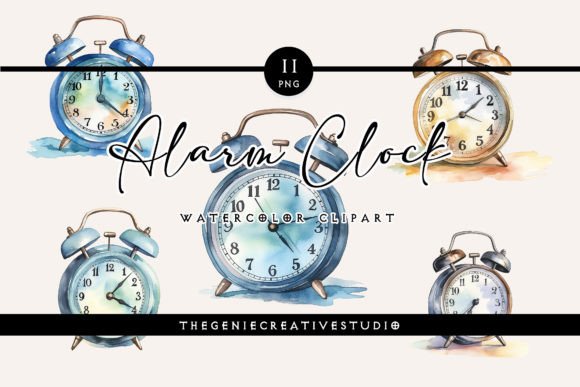
When I first opened the Watercolor Alarm Clock PNG Clipart file, my immediate reaction was one of cautious optimism. As an experienced embroidery designer, I have learned that what looks beautiful on a screen does not always translate seamlessly to fabric. However, this particular illustration possesses a distinct visual personality that suggests it could be a standout asset for specific handmade products. The watercolor aesthetic brings a softness and nostalgia that rigid vector art often lacks, evoking a vintage or cottage-core mood that is currently trending in the craft business sector.
The shape and layout of the alarm clock are balanced, which is critical for digitizing. Unlike asymmetrical abstract art, this symmetrical form provides a natural boundary for satin stitch borders or applique designs. The detail level appears moderate; there is enough definition in the clock face and bells to create visual interest without overwhelming the needle. For an Etsy seller or apparel decorator, this balance is key. It feels like a design that belongs on a personalized gift rather than mass-produced merchandise, offering that bespoke quality customers actively seek.
Real-World Application: Stitching a Custom Tote Bag
To truly evaluate this digital embroidery file, I mentally walked through a recent client project: a custom embroidered tote bag intended as a teacher appreciation gift. Teachers often appreciate functional yet sentimental items, and a "timeless" theme fits perfectly. Using the Watercolor Alarm Clock PNG Clipart as the centerpiece, I envisioned pairing it with a simple running stitch name personalization below.
In this scenario, the design performs exceptionally well because tote bags offer a stable, flat surface ideal for capturing watercolor nuances. The fill stitch areas required to mimic the painted look would lay smoothly on canvas. However, I had to consider how the design interacts with the fabric texture. On a natural cotton tote, the slight irregularities of the weave actually enhance the watercolor effect, making the finished product feel more organic. If I were using this for sweatshirt embroidery instead, I would need to adjust my expectations. The fleece texture of a sweatshirt can swallow fine details, so the clock’s hands and numbers might require bolder outlines or increased stitch density to remain legible after washing.
Versatility Across Product Categories
Beyond tote bags, this illustration shows strong potential for various commercial embroidery projects. For baby embroidery, such as nursery decor or blanket corners, the soft edges of the watercolor style are far less aggressive than sharp cartoon lines. It creates a gentle aesthetic suitable for newborn gifts. In the realm of kitchen textiles, tea towels featuring this alarm clock could serve as charming holiday embroidery items, particularly for retro-themed collections.
For those selling digital product previews or printable mockups, this clipart serves as an excellent base. You can showcase how the design looks on different backgrounds before committing to physical sampling. This is invaluable for small shop product listings where photography costs add up. Whether used for an embroidered patch, apron branding, or boutique merchandise, the design’s versatility lies in its ability to bridge the gap between playful and sophisticated.
Critical Considerations: Where to Proceed with Caution
While the Watercolor Alarm Clock PNG Clipart is visually appealing, practical application requires awareness of technical limitations. Small hoop sizes are the primary concern. Watercolor effects rely on color blending and shading, which necessitates a certain amount of space for thread transitions. If you attempt to shrink this design down to a 2-inch cap logo, you risk losing the artistic integrity entirely. The details will merge into a muddy blob, and the stitch density may become too high for the fabric, causing puckering or needle breaks.
Fabric choice also dictates success. Dark fabrics present a challenge for watercolor-style machine embroidery designs because the effect usually relies on light reflecting off white or pale threads. Stitching this on black denim would require a heavy underlay or a white twill applique background to maintain visibility. Similarly, stretchy fabrics like jersey knits demand careful stabilizer selection. Without adequate support, the weight of the fill stitches mimicking the paint could distort the garment. Always test on scrap fabric first to ensure the tension holds.
I must also advise caution regarding tiny lettering if the original PNG includes text within the clock face. Digitized text smaller than 4mm rarely reads well. If your source image has minute details, consider removing them during the digitizing process and replacing them with cleaner, larger fonts or omitting them altogether to preserve clarity.
Impact on Value and Customer Perception
Using high-quality illustrations like this directly affects perceived product value. Customers can distinguish between generic clipart and thoughtful design adaptation. When the Watercolor Alarm Clock PNG Clipart is executed with proper thread colors and appropriate stitch types, it elevates the finished product from a simple craft to a professional piece of art. This builds customer trust and encourages repeat business.
Brand consistency is another factor. If your shop specializes in vintage or soft aesthetics, incorporating this style reinforces your brand identity across custom apparel, pillow covers, and holiday gifts. Conversely, forcing this design onto a product that doesn't match the vibe—like a tactical gear patch—will confuse buyers. Alignment between the digital asset and the end-use product is essential for buyer engagement and sales conversion.
Designer Notes for Successful Execution
Before you load this design into your machine or list it in your shop, adhere to these practical guidelines:
- Verify Licensing: Never assume usage rights. Confirm whether the Watercolor Alarm Clock PNG Clipart license permits commercial embroidery, digital resale, or modification. Protecting your business starts with respecting intellectual property.
- Test Stitch Density: Watercolor simulations can be stitch-heavy. Run a test sew-out to check for stiffness. If the design feels like armor, reduce the density or switch to a lighter fill pattern to maintain fabric drape.
- Color Matching: Screen colors rarely match thread colors perfectly. Create a physical thread chart comparison. What looks like a soft sage green on your monitor might stitch out as neon lime. Adjust your palette to match the intended mood.
- Stabilizer Strategy: Match your backing to the fabric weight. Use cut-away stabilizer for stretchy apparel to prevent distortion over time, and tear-away for stable woven fabrics like tea towels or canvas.
- Mockup Validation: Before listing a new sweatshirt embroidery or baby item, create realistic mockups. Check how the design scales relative to the garment. Ensure the placement looks intentional and proportional.
- Detail Inspection: Zoom in at 100% to inspect corners and curves. Jagged edges in the digital file will result in jagged stitches. Smooth out any pixelation during the digitizing phase to ensure professional results.
Final Thoughts for Makers and Sellers
The Watercolor Alarm Clock PNG Clipart offers a wonderful opportunity for creative entrepreneurs to expand their catalog with trendy, emotive designs. Its strength lies in its adaptability to personalized gifts and niche market products. By approaching this illustration with a technician's eye and an artist's heart, you can transform a simple digital file into a profitable, beloved handmade product. Remember that successful embroidery is about the marriage of art and engineering; respect the limitations of the medium, and this design will serve your business beautifully.