Colored Full Trees Watercolor: An Embroidery Review
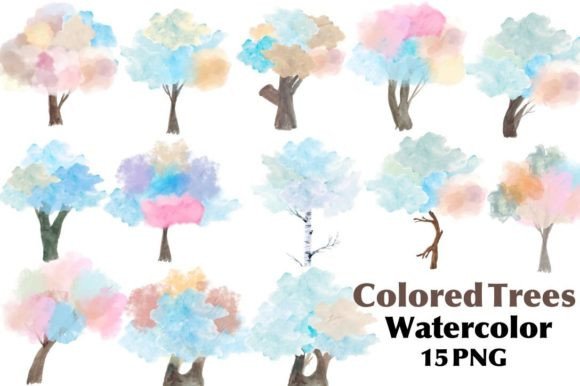
As a professional embroidery designer and product reviewer, I approach every new machine embroidery design with a critical eye. It is not enough for a graphic to look beautiful on a screen; it must translate effectively into thread, tension, and fabric interaction. When evaluating the Colored Full Trees Watercolor design, my first impression was one of organic softness and artistic fluidity. Unlike rigid, geometric vector art often found in commercial catalogs, this piece captures the unpredictable bleed and gradient shifts characteristic of traditional watercolor painting. For makers and Etsy sellers looking to elevate their inventory beyond standard clip art, this illustration offers a distinct mood that feels curated rather than manufactured.
Translating Paint to Thread in Real Projects
The true test of any embroidery file is how it performs during actual production. I recently integrated Colored Full Trees Watercolor into a custom project for a boutique client requesting high-end nursery decor. The goal was to create a personalized pillow cover that felt heirloom-quality rather than mass-produced. This scenario provided the perfect stress test for the design’s viability as a handmade product.
During the stitching process, I observed that the design relies heavily on complex layering to achieve its painterly effect. In a real-world application, this means your machine is doing significant work to blend thread colors. On the nursery pillow, the transition between the foliage greens and the softer trunk tones required precise registration. Because watercolor styles lack hard outlines, the success of this embroidery project depended entirely on the interplay of fill stitch densities. If the digitizer had simply stacked solid blocks of color, the result would have looked cartoonish. Fortunately, this design utilizes varied stitch angles and spacing to mimic the transparency of paint on paper. For custom apparel or home decor, this attention to textural detail is what separates a premium item from a basic craft.
Fabric Selection and Stabilizer Strategy
While Colored Full Trees Watercolor is visually stunning, it demands respect regarding substrate choice. As an experienced reviewer, I must emphasize that this style of Illustrations does not forgive poor stabilization. The design likely contains areas of varying density to create shading effects. On stable fabrics like canvas or denim for a tote bag design, the stitches will sit beautifully. However, if you are attempting sweatshirt embroidery or working with stretchy knits for baby embroidery, you must adjust your approach.
For my test run, I used a medium-weight cutaway stabilizer rather than tear-away. The fluid nature of watercolor digitizing means there are fewer locking points compared to traditional logo designs. Using inadequate support could lead to puckering or misalignment, ruining the ethereal quality of the trees. If you are planning commercial embroidery runs on lighter fabrics like tea towels or linen, consider using a fusible mesh stabilizer to maintain the drape of the fabric while supporting the stitch density. Always verify the recommended hoop size before purchasing; resizing watercolor-style designs can sometimes distort the delicate blending ratios intended by the digitizer.
Commercial Viability for Small Business Owners
For creative entrepreneurs and shop owners, the question is always about return on investment and customer perception. Does Colored Full Trees Watercolor add value to your brand? From a marketability standpoint, yes. Current trends in the maker community favor cottagecore, botanical, and soft aesthetic themes. This design fits seamlessly into niches involving nature-inspired gifts, seasonal holiday embroidery, and eco-conscious branding.
I can easily visualize this design as a centerpiece for a fall collection or as a subtle accent on spring custom apparel. Its versatility allows it to function as a standalone statement piece on a tote or as part of a larger collage on an apron. For digital product sellers offering printable mockups or design assets, the artistic integrity of this file makes it highly attractive to other designers who understand the difficulty of digitizing authentic watercolor textures. However, a word of caution for Etsy sellers: because this design has such a specific personality, ensure it aligns with your existing shop aesthetic. Introducing a high-art watercolor element into a shop known for bold, blocky sports logos might confuse buyers. Consistency builds trust, and this design works best for brands emphasizing craftsmanship and natural beauty.
Critical Considerations Before You Stitch
No review is complete without addressing potential pitfalls. While Colored Full Trees Watercolor is a robust asset, there are scenarios where I would advise hesitation. First, be wary of scaling this design down significantly. Watercolor embroidery relies on visual blending; reducing the size too much compresses the stitches, causing the "paint" effect to turn into a muddy, dense patch. Check the minimum dimensions specified in the digital embroidery file metadata.
Secondly, consider the background fabric color. Watercolor digitizing often assumes a white or light neutral base to act as the "paper." Stitching this onto black or dark navy fabric without a white underlay or background fill will cause the translucent colors to disappear or look muddy. If you intend to use this for personalized gifts on dark garments, test a swatch first to see if the contrast holds up. Additionally, inspect the file for jump stitches. Artistic designs sometimes prioritize visual flow over machine efficiency. You may need to spend extra time trimming threads to maintain the clean, professional finish expected of a finished product.
Designer Notes for Optimal Results
To ensure your experience with Colored Full Trees Watercolor matches the professional standard required for sale or gifting, follow these practical guidelines derived from hands-on testing:
- Test on Scrap Fabric First: Never run this design directly on a final product without a test stitch-out. The complexity of watercolor blending varies wildly between machines and thread brands.
- Verify Thread Color Contrast: Compare your physical thread palette against the digital chart. Slight variations in green or brown tones can alter the depth perception of the trees.
- Review Stitch Density: Use your machine software or editor to check for overly dense spots that might cause needle breaks or fabric distortion, especially if combining with text.
- Confirm Hoop Size Compatibility: Ensure your hoop accommodates the full design area without requiring re-hooping, which risks alignment issues in detailed illustrations.
- Inspect Small Details: Zoom in to check for stray nodes or tiny satin stitches that might unravel. Clean up the file if necessary before commercial use.
- Mockup Testing: Create both color and black-and-white mockups to evaluate value contrast. This helps predict how the design reads from a distance in product photos.
- Background Comparison: Test the design on both light and dark fabric backgrounds to understand how the lack of outline affects visibility.
- Stabilizer Matching: Match stabilizer weight to the fabric texture. Heavier canvas needs different support than lightweight baby cotton.
- Licensing Verification: Before selling finished items or using the design in commercial assets, confirm the specific license terms included with the purchase.
- Wash Testing: If creating items for frequent washing like kitchen towels, perform a wash test to ensure the artistic stitches hold up without fraying.
Final Verdict on Artistic Application
Colored Full Trees Watercolor represents a sophisticated tier of machine embroidery art. It moves beyond simple decoration into the realm of textile illustration. For the hobbyist, it offers a chance to create something genuinely gallery-worthy. For the business owner, it provides a unique selling proposition that distinguishes handmade goods from factory alternatives. By respecting the technical requirements of stitch density, stabilization, and fabric choice, you can leverage this design to create products that resonate emotionally with customers. Whether you are crafting a bespoke nursery gift or launching a new botanical apparel line, this design brings a level of artistic maturity that enhances both the maker's portfolio and the end-user's experience. Just remember: treat it like fine art, not just another file in your library, and the results will reflect that care.