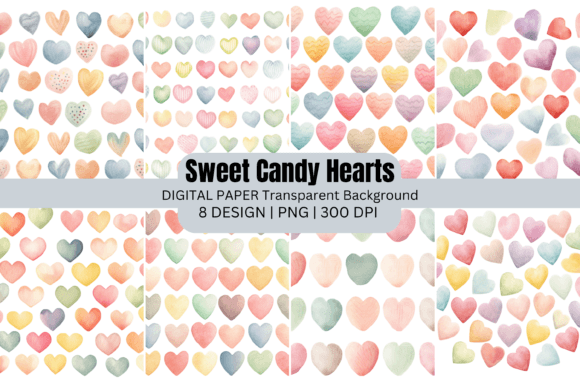
Watercolor Valentine Sweet Candy Hearts Review
As an embroidery designer who has stitched out thousands of seasonal files for both personal joy and commercial client work, I approach every new machine embroidery design with a healthy dose of skepticism. The market is flooded with digital assets that look beautiful on screen but fail under the needle. When evaluating the Watercolor Valentine Sweet Candy Hearts collection, my primary concern was not just aesthetic appeal, but structural integrity. Does this design translate the soft, blended nature of watercolor art into thread without becoming a dense, bulletproof patch? After testing this file for a custom apparel project, I have practical insights for fellow makers, Etsy sellers, and hobbyists considering this asset for their next embroidery project.
First Impressions and Visual Personality
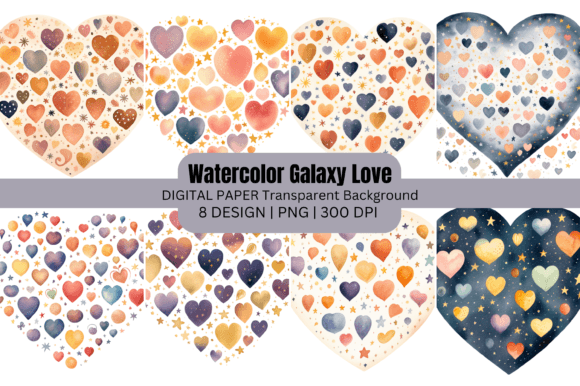
The immediate strength of Watercolor Valentine Sweet Candy Hearts lies in its nostalgic yet modern mood. Unlike traditional candy heart designs that rely on harsh outlines and solid blocks of color, this illustration category leans into soft gradients and organic edges. For a designer, this suggests a sophisticated use of fill stitch techniques rather than simple satin columns. The visual personality is gentle and romantic, making it distinct from the loud, graphic vectors often seen in holiday merchandise.
However, "watercolor" in embroidery is a double-edged sword. On screen, the blending looks seamless. In reality, achieving this effect requires precise thread colors and strategic layering. My first impression upon opening the digital embroidery file was relief; the digitizer had clearly considered how thread sheen affects color perception. The design avoids excessive jump stitches, which is crucial when working with multiple pastel shades. This attention to digitizing flow tells me the creator understands the mechanical limitations of home and commercial machines, not just graphic design software.
Real-World Application: The Sweatshirt Test
To truly evaluate this design, I moved beyond the test swatch and applied it to a real-world scenario: a custom crewneck sweatshirt for a boutique client’s Valentine’s Day capsule collection. Sweatshirts are notoriously tricky due to the fleece backing and stretchy knit face. I needed to know if Watercolor Valentine Sweet Candy Hearts would sink into the fabric or sit proudly on top.
I opted for a mid-weight cutaway stabilizer to support the knit structure. The stitching process revealed that the design’s density is well-balanced for sweatshirt embroidery. It did not distort the garment's drape, a common failure point with heavy holiday motifs. The watercolor shading effect translated surprisingly well to the textured fleece, creating a vintage, worn-in look that customers currently crave. If you are an Etsy seller or run a craft business, this design performs exceptionally well on casual apparel where a stiff, formal logo would feel out of place. It bridges the gap between high-end boutique aesthetics and accessible handmade charm.
Navigating Fabric Textures and Stabilization
While the sweatshirt test was successful, versatility is key for any commercial embroidery asset. Not all fabrics forgive the complexities of watercolor-style digitizing. Here is where you must exercise caution:
- Textured Fabrics: On terry cloth towels or minky blankets, the subtle color transitions of Watercolor Valentine Sweet Candy Hearts may get lost. The texture of the fabric can break up the visual continuity of the watercolor effect. Always increase density slightly or add an underlay specifically designed for high-pile fabrics if using this on bath linens.
- Sheer and Lightweight Materials: Organza or lightweight linen requires careful stabilizer choice. Because watercolor effects often involve layered stitching to create depth, there is a risk of puckering on thin substrates. A water-soluble topping is non-negotiable here to keep the stitches from sinking.
- Dark Fabrics: Pastel watercolor threads struggle against black or navy backgrounds. The contrast required to make the "watercolor" illusion work simply isn't there. Unless you plan to use a white base layer (which adds significant density), reserve this design for light-to-medium toned garments.
Commercial Viability and Product Value
For creative entrepreneurs, time is money. A handmade product is only profitable if the production time aligns with the perceived value. Watercolor Valentine Sweet Candy Hearts scores high on perceived value because it looks artistic rather than industrial. Customers associate the soft, painterly aesthetic with higher craftsmanship, allowing for better pricing on finished goods like personalized gifts or nursery decor.
From a branding perspective, this design offers excellent consistency. Whether you are stitching a matching set of baby bibs, a tote bag, and a pillow cover, the illustration style remains cohesive. This helps build brand recognition for small shops. However, verify your licensing terms before scaling. Ensure the embroidery file permits commercial use for physical products versus digital redistribution. As a reviewer, I always advise checking these legal parameters before listing items for sale to protect your business.
Designer Notes for Optimal Results
Based on my evaluation, here are actionable technical notes to ensure your success with Watercolor Valentine Sweet Candy Hearts:
- Test Stitch is Mandatory: Never run this design directly on a final product without a test. Watercolor digitizing varies wildly between creators. Check if the file uses complex blends or simple color blocks.
- Hoop Size Verification: Confirm the dimensions match your hoop capabilities. Resizing watercolor designs can sometimes distort the gradient alignment. If resizing is necessary, do so in professional digitizing software rather than machine editing functions to preserve stitch integrity.
- Thread Palette Matching: Do not assume standard polyester colors will match the chart. Watercolor relies on nuance. Lay out your physical threads against the printout before stitching. You may need to swap a bright pink for a dusty rose to achieve the intended mood.
- Mockup Strategy: When creating listings, use realistic mockups that show fabric texture. Flat vector previews mislead buyers about the tactile nature of the finished piece. Show the embroidery on actual linen or cotton to manage customer expectations.
- Washability Check: If selling baby embroidery or kitchen textiles, wash your test sample. Complex fill stitches can sometimes pull or fray if the trim points aren't secure. Ensure the design holds up to the laundering standards your customers expect.
Final Verdict for Makers
Watercolor Valentine Sweet Candy Hearts is a robust, commercially viable asset for those willing to respect its technical requirements. It excels in creating emotional connections through soft aesthetics, making it ideal for personalized gifts and boutique apparel. While it demands more attention to stabilizer and fabric selection than a simple running stitch monogram, the payoff in product differentiation is significant. For the experienced embroiderer looking to elevate their Valentine’s offerings beyond generic clipart, this design represents a thoughtful intersection of art and utility. Just remember: treat it as a painting made of thread, and your finished product will reflect that level of care.