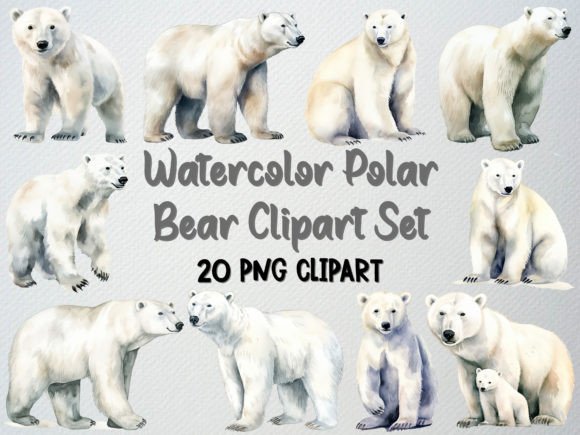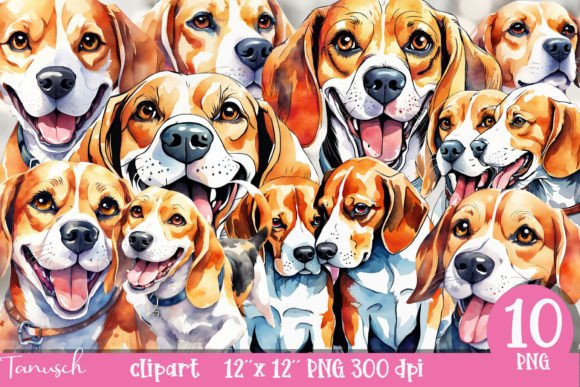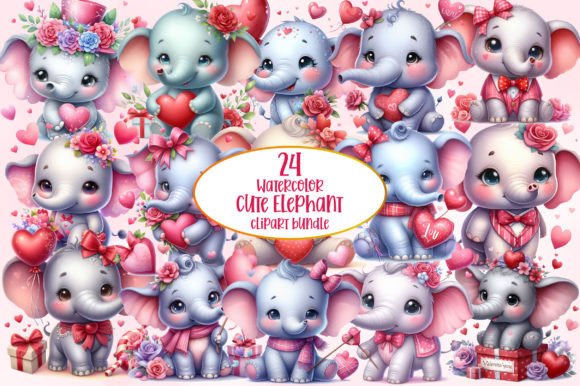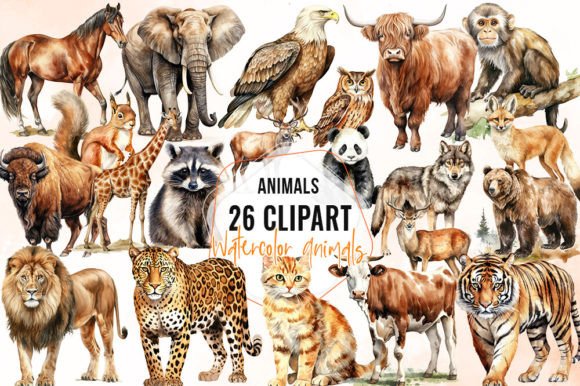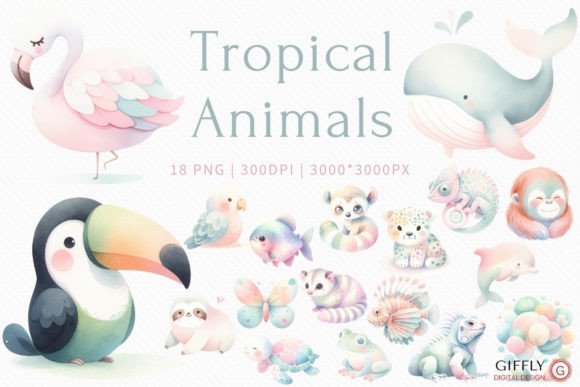
Tropical Animals Watercolor Clipart: Editorial Illustrations
As a blog designer who has overseen the visual strategy for dozens of content websites, my first interaction with a new graphic design asset is always critical. When I opened the files for this Tropical Animals Watercolor Clipart collection, the immediate impression was one of organic warmth and editorial sophistication. Unlike generic vector art that often feels sterile or overly corporate, these illustrations carry the distinct texture and fluidity of traditional watercolor media. This creates an instant emotional connection with the viewer, signaling a lifestyle-focused, approachable, and creatively curated brand identity.
For publishers and content creators, this specific aesthetic serves a strategic purpose. It moves beyond simple decoration to establish a mood that supports niche authority. Whether you are running a travel blog, a nature education site, or a summer-themed lifestyle publication, this clipart bridges the gap between playful and professional. The soft edges and natural color palettes suggest a modern design sensibility that feels current without being trendy, making it a reliable choice for building long-term reader trust and visual consistency across your digital platforms.
Elevating Blog Graphics and Featured Images
In the daily workflow of digital publishing, the featured image is arguably the most valuable real estate on your site. I tested these tropical animal elements as central focal points for article headers, and they performed exceptionally well in establishing visual hierarchy. Because the subjects are isolated with transparent backgrounds, integrating them into complex layouts is seamless. They provide enough visual weight to anchor a headline without competing with the typography, which is essential for maintaining readability and click-through potential.
When designing for content marketing, consistency is key to brand recognition. Using this Tropical Animals Watercolor Clipart allows you to create a cohesive series of blog graphics that feel like part of a larger narrative rather than disjointed stock photos. For example, pairing a toucan illustration with a serif font creates an elegant, magazine-style editorial look, while combining a sloth element with a handwritten script evokes a personal, journal-like intimacy. This versatility makes the asset invaluable for bloggers who need to maintain a unified brand identity across hundreds of posts while keeping the visual experience fresh for returning readers.
Strategic Applications for Pinterest and Social Media
Social media discovery relies heavily on pattern interruption, and these illustrations excel at stopping the scroll. During my review, I mocked up several Pinterest pin designs using the clipart as background accents and primary visuals. The watercolor texture adds a layer of tactile quality that flat digital graphics often lack, making pins stand out in crowded feeds. For affiliate marketers and digital product sellers, this artistic quality signals value; it suggests that the linked content or product is high-quality and thoughtfully produced.
Beyond Pinterest, these assets are ideal for Instagram stories and newsletter headers. In email marketing, where engagement rates can fluctuate, a beautifully illustrated header featuring a tropical motif can set a welcoming tone before the reader even reaches the copy. For those creating Canva templates to sell or share, this clipart provides a premium foundation that elevates the perceived value of the template itself. The organic shapes naturally guide the eye toward text overlays, improving the overall composition of social media graphics and ensuring that key messages remain legible and impactful.
Enhancing Digital Products and Lead Magnets
One of the most profitable uses for this Tropical Animals Watercolor Clipart is in the creation of monetizable assets. As a publisher, I frequently design lead magnets, checklists, and eBooks to grow email lists. Generic icons can make these resources feel cheap, but bespoke watercolor illustrations imbue them with a sense of craftsmanship. I found these elements particularly effective for worksheet borders, certificate designs, and digital planner stickers. They transform functional documents into desirable keepsakes that users actually want to save and reference.
For online educators and course creators, visual engagement directly correlates with student retention. Incorporating these friendly, nature-inspired illustrations into slide decks and module thumbnails breaks up dense text and reduces cognitive load. The style is mature enough for adult learners yet whimsical enough to maintain interest, striking a difficult balance that many educational assets miss. Furthermore, if you are selling printables or stationery, the resolution and detail of these files support high-quality printing, making them a viable core component for a digital download business model.
Navigating Editorial Contexts and Visual Balance
While versatile, this graphic design asset requires thoughtful placement to maximize its editorial value. It shines brightest in hero images, category thumbnails for nature or travel sections, and decorative accents for seasonal content. However, publishers must exercise caution in certain contexts. Avoid using these detailed watercolors in very small mobile thumbnails where the intricate brushwork may blur into indistinct blobs. Similarly, they may clash with highly technical, corporate, or minimalist web design systems that rely on sharp lines and solid colors.
Contrast is another critical factor. Watercolor edges are inherently soft, so placing them against low-contrast backgrounds can reduce visibility. Always test your compositions by squinting or converting them to grayscale to ensure the illustration remains distinct from the text. In my testing, these assets worked best when given ample negative space, allowing the organic forms to breathe. Crowding them into busy layouts diminishes their elegance and can make the page feel cluttered rather than curated. Respecting the artwork’s inherent style ensures it enhances, rather than distracts from, your core message.
Essential Publisher Notes for Commercial Use
Before deploying Tropical Animals Watercolor Clipart on a live site, rigorous technical vetting is non-negotiable. First, confirm the commercial license terms explicitly. If you plan to use these in paid products, affiliate content, or client work, ensure your license covers such usage to avoid legal complications. Next, address web performance. Raw watercolor files can be large; always compress PNGs or convert to WebP format to maintain fast load times, as site speed directly impacts SEO and user experience.
Finally, conduct cross-device testing. What looks vibrant on a retina desktop monitor may appear washed out on a budget smartphone screen. Adjust brightness and saturation as needed for web display. Test typography pairings extensively; I recommend trying the clipart alongside both bold sans-serifs for modern contrast and delicate serifs for classic harmony. By treating this asset with the same technical rigor as any other element of your web design stack, you ensure it contributes positively to your site’s performance, accessibility, and professional reputation. Thoughtful integration transforms a simple illustration pack into a powerful engine for brand storytelling and audience engagement.