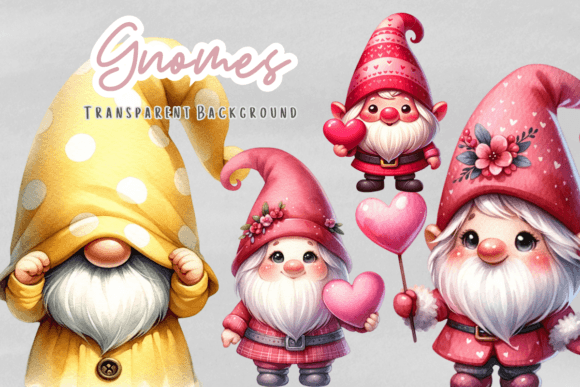
Watercolor Pink Gnomes Clipart: Editorial Illustrations
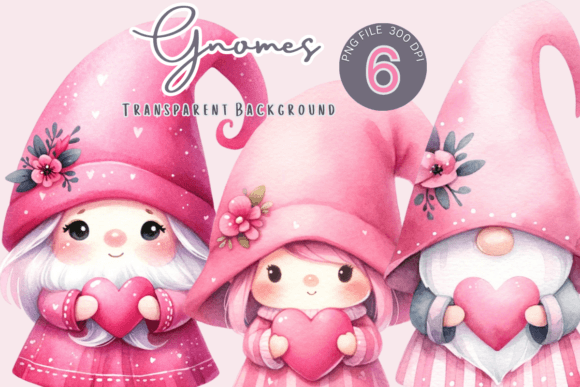
As a digital publisher and blog designer, my first interaction with any new graphic design asset is a critical stress test. I am not looking for pretty pictures; I am looking for functional tools that solve layout problems and enhance reader engagement. When I opened the Watercolor Pink Gnomes Clipart collection, my immediate assessment focused on its editorial mood and versatility within a real publishing workflow. This set immediately struck me as having a soft, feminine, yet surprisingly structured aesthetic that bridges the gap between playful whimsy and polished lifestyle content. Unlike harsh vector art or overly chaotic hand-drawn sketches, these illustrations possess a gentle watercolor texture that feels organic and trustworthy.
The specific shade of pink used in this collection is muted enough to serve as a neutral accent in modern design layouts while remaining vibrant enough to capture attention in a crowded social media feed. For content creators in niches like gardening, seasonal crafts, cozy lifestyle blogging, or children’s education, this asset creates an instant emotional connection. It signals warmth and creativity without sacrificing professional polish. From an editorial design perspective, the transparency and edge quality of these gnomes suggest they were created with digital compositing in mind, making them ideal for layering over textured backgrounds or solid brand colors.
Deploying Assets Across the Content Ecosystem
In a practical publishing environment, a single graphic design asset must earn its keep across multiple platforms. I evaluated the Watercolor Pink Gnomes Clipart specifically for its utility in high-traffic content areas. For blog graphics and featured images, these illustrations provide excellent negative space. A common failure in amateur blog design is centering a complex image and then trying to slap text directly over it. These gnomes are composed with open areas that naturally accommodate headlines, making them perfect for website header images or category thumbnails where readability is paramount.
For Pinterest marketing, which remains a primary traffic driver for visual niches, this clipart excels. The vertical composition potential is strong. I can easily visualize creating a Pinterest pin where a gnome illustration anchors the bottom third of the graphic, grounding the design while leaving the upper two-thirds clear for bold typography and value propositions. This balance is essential for click-through potential. Furthermore, for those building a digital product ecosystem, these illustrations transition seamlessly into printable design projects. Whether you are creating a lead magnet checklist, a digital guide cover, or worksheet borders for online educators, the watercolor style maintains high resolution and charm even when printed on standard home printers.
Beyond static content, I see significant value here for Canva template creators. Because the style is distinct yet adaptable, it can serve as a signature visual element in templates sold on creative marketplace platforms. Small business branding often struggles to find assets that feel custom rather than generic; incorporating these unique illustrations into media kits, invoice templates, or social media graphics can elevate a brand identity from DIY to professionally curated.
Enhancing Visual Hierarchy and Reader Trust
Visual hierarchy is not just about size; it is about directing the reader's eye through emotional cues. The Watercolor Pink Gnomes Clipart supports content performance by acting as a visual anchor. In long-form affiliate marketing posts, walls of text can cause reader fatigue. Placing a relevant, high-quality illustration breaks up the content rhythmically, keeping the user scrolling. More importantly, consistent use of a specific art style builds brand recognition. When a returning visitor sees that distinctive pink watercolor style, they subconsciously recognize the source before reading the logo. This consistency fosters reader trust and establishes a cohesive visual identity across your web design.
However, publishers must be strategic about placement. These illustrations work best as hero images, newsletter headers, and decorative accents for content upgrades. They add personality to transactional pages like "About" sections or resource libraries. Conversely, I would advise using them carefully in small mobile thumbnails where intricate watercolor details might get lost or appear muddy. They are also less suitable for serious corporate content, financial advice columns, or minimalist tech blogs where the whimsical tone might clash with the authoritative voice required. Always ensure the background contrast is sufficient; watercolor edges can sometimes blend too softly into light backgrounds, reducing accessibility and visual impact.
Publisher Workflow: Testing and Technical Integration
Before integrating any creative design asset into a live monetized site, I run through a rigorous technical checklist. First, always test the Watercolor Pink Gnomes Clipart on both desktop and mobile screens. What looks balanced on a 27-inch monitor may look overwhelming or tiny on a smartphone. Preview the illustration inside your actual blog layout, not just in isolation. Check how it interacts with your specific font pairings. I found that these gnomes pair beautifully with elegant serif fonts for a classic editorial look, but they also harmonize well with clean sans-serif typefaces for a more modern, approachable feel. Avoid overly distressed grunge fonts, as they compete with the delicate watercolor texture.
Web performance is non-negotiable. Watercolor files can sometimes be large due to the complexity of the brush strokes and color gradients. You must compress these images properly for web use without destroying the soft edges that make them attractive. Tools like ShortPixel or TinyPNG are essential here. Additionally, verify the file format. PNGs with transparent backgrounds are necessary for overlaying on colored sections, while JPEGs may be better for full-width banners to reduce load times.
Finally, and perhaps most critically for commercial publishers, confirm the commercial license terms. If you are using these for affiliate marketing, selling digital downloads, or including them in paid courses, you must have the appropriate commercial design rights. Never assume a personal license covers monetized content. Proper licensing protects your business and respects the original artist. When used correctly and legally, this asset collection offers a robust foundation for elevating your content marketing visuals, ensuring your site looks as professional and inviting as the top-tier publications in your niche.
- Editorial Mood: Soft, feminine, organic, and trustworthy; ideal for lifestyle and craft niches.
- Best Applications: Pinterest pins, blog headers, lead magnets, printable worksheets, and newsletter banners.
- Typography Pairing: Works best with serifs for elegance or clean sans-serifs for modern clarity.
- Technical Caution: Compress files to preserve site speed; check mobile responsiveness for detail loss.
- Licensing: Verify commercial usage rights before applying to monetized affiliate or product pages.