Floral Watercolor Guinea Pig Clipart Review
As a designer who spends more time behind an embroidery machine than a computer screen, I approach digital assets with a specific level of skepticism. When I first opened the Floral Watercolor Guinea Pig Clipart, my immediate thought wasn't just about its aesthetic charm, but about its translatability to thread. We have all purchased beautiful illustrations that look stunning on a monitor but become muddy, dense messes once digitized. However, this particular set of illustrations strikes a balance that makes me genuinely excited to test it in a real-world production environment.
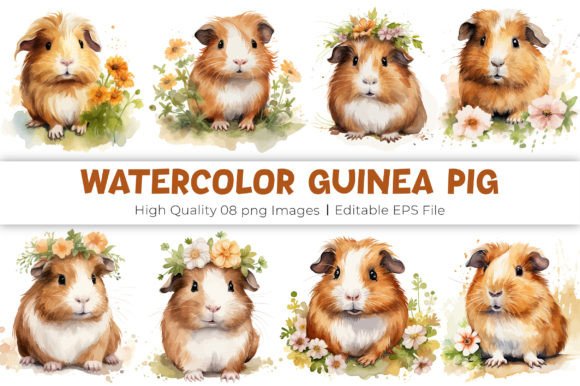
The mood here is undeniably soft and whimsical. The watercolor style implies a certain looseness that translates beautifully into embroidery when handled correctly. Unlike rigid vector art, the organic edges of this guinea pig design suggest a natural flow for fill stitch gradients and blended thread colors. For those of us running a craft business or managing an Etsy shop, this visual personality signals "handmade" rather than "mass-produced," which is exactly what buyers are currently seeking in personalized gifts and boutique merchandise.
Real-World Application: The Custom Tote Bag Test
To truly evaluate this asset, I mentally placed it onto one of my most frequent client requests: a custom canvas tote bag for a pet lover. Canvas is a textured fabric that can sometimes eat up fine details, so clarity is paramount. In this scenario, the Floral Watercolor Guinea Pig Clipart serves as an excellent focal point. The floral elements surrounding the guinea pig provide necessary framing without requiring excessive density, keeping the bag lightweight and pliable.
For a project like this, I would treat the clipart as a guide for a hybrid approach. If you are using this as a base for a machine embroidery design, the watercolor washes map perfectly to light fill stitches, while the defining lines of the guinea pig could be executed in a heavier running stitch or satin stitch outline to ensure definition against the canvas texture. This design has enough character to stand alone on a tote bag design, but it also possesses the versatility to be paired with custom text for a personalized gift without looking cluttered. From a commercial embroidery standpoint, this is the kind of artwork that elevates a simple blank product into a premium finished product.
Evaluating Stitchability Across Different Products
Versatility is key for any design asset in a small shop product lineup. While the tote bag scenario is ideal, I also considered how this illustration performs on apparel. For sweatshirt embroidery, the soft nature of the watercolor style complements fleece and French terry fabrics well. The lack of harsh geometric lines means the design will move with the garment rather than creating a stiff, bulletproof patch of stabilizer and thread on the chest.
However, caution is required for baby embroidery projects. While the theme is perfect for nursery decor or onesies, the complexity of watercolor-style shading often requires higher stitch counts to achieve the gradient effect. Before committing this to delicate baby clothes, you must verify the stitch density. A dense design on thin knit fabric is a recipe for puckering and discomfort. Similarly, if you plan to use this for holiday embroidery on plush blankets, ensure the detail level isn't lost in the pile. The design’s success relies heavily on matching the right substrate to the artwork's inherent delicacy.
Navigating Fabric Limitations and Hoop Constraints
Every experienced embroiderer knows that not every design works everywhere. There are specific environments where I would advise pausing before using this Floral Watercolor Guinea Pig Clipart. Dark fabrics present a significant challenge; watercolor aesthetics rely on transparency and light blending. On black or navy material, you lose the subtle color transitions unless you lay down a heavy white underlay, which changes the hand-feel of the garment entirely. For dark apparel, consider using this design only if you can incorporate a cream or white background element within the hoop.
Curved surfaces like caps are another area of concern. The sprawling nature of floral arrangements combined with the round shape of a guinea pig may distort when wrapped around a structured hat brim. Unless you are skilled at warping designs for curved hooping, stick to flat surfaces like pillow covers, tea towels, or aprons. Additionally, watch your hoop size carefully. Shrinking a detailed watercolor illustration too much to fit a 4x4 hoop will result in thread breaks and poor registration. Always respect the minimum size requirements to maintain the integrity of the embroidered patch or accent.
Impact on Brand Perception and Customer Trust
In the competitive landscape of Etsy sellers and handmade shops, visual consistency builds trust. Using high-quality illustrations like this signals professionalism. When a customer sees a listing photo featuring this guinea pig rendered in smooth, well-blended threads, they perceive value. It differentiates your work from generic, clip-art-heavy competitors. Whether you are selling physical custom apparel or digital embroidery files, the artistic merit of the source material directly influences buyer engagement.
Furthermore, this style supports strong brand storytelling. It evokes feelings of cottagecore, gentle living, and pet companionship. These emotional hooks are what convert browsers into buyers. When utilizing this for printable mockups or digital product previews, ensure the rendering accurately represents what the needle will produce. Misleading customers with a digital image that looks nothing like the stitched reality damages reputation. Authenticity in presentation is just as important as the quality of the stitch out.
Critical Designer Notes Before You Stitch
Before loading this file into your machine or listing it in your shop, adhere to these practical checkpoints:
- Test on Scrap Fabric First: Never run a new design on a final product. Test the Floral Watercolor Guinea Pig Clipart on a scrap of the exact fabric you intend to use to check for tension issues and color blending.
- Verify Licensing Terms: Confirm whether your purchase allows for commercial embroidery, digital resale, or both. Do not assume rights; protect your business by reading the license agreement specifically regarding finished products versus digital assets.
- Check Thread Color Contrast: Watercolor designs often use similar tonal values. Ensure your thread palette offers enough contrast so the guinea pig doesn't visually disappear into the floral background.
- Stabilizer Selection is Non-Negotiable: Because watercolor styles can be stitch-heavy, use appropriate cut-away stabilizer for stretchy fabrics and tear-away for stable wovens to prevent distortion.
- Mockup Accuracy: If selling the design or the finished item, create mockups that reflect true stitch texture. Avoid flat digital overlays that misrepresent the handmade product.
- Inspect Small Details: Zoom in on the digital embroidery file. Are the eyes and whiskers distinct? If details are smaller than 1mm, they may not stitch out clearly and might need editing.
Ultimately, the Floral Watercolor Guinea Pig Clipart is a promising asset for makers who understand the nuances of translating paint to thread. It offers a unique opportunity to create soulful, marketable items ranging from custom apparel to nursery decor, provided you respect the technical limitations of the medium. By approaching this design with a critical, practical eye, you can transform a lovely digital illustration into a best-selling embroidered reality that delights customers and showcases your craftsmanship.