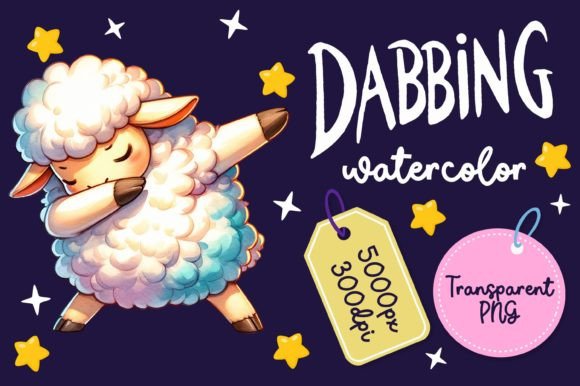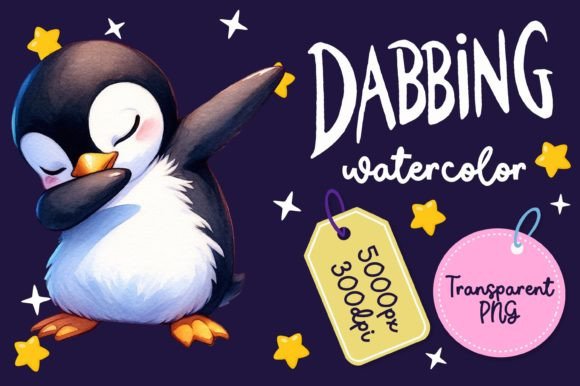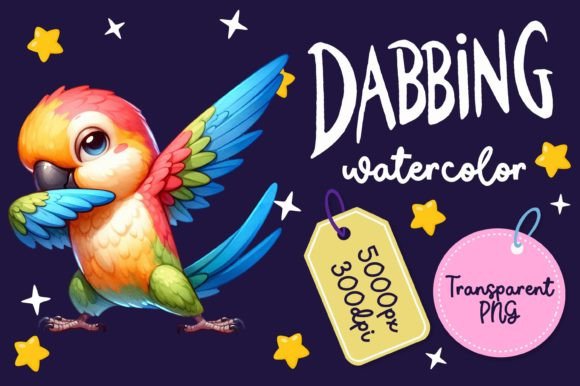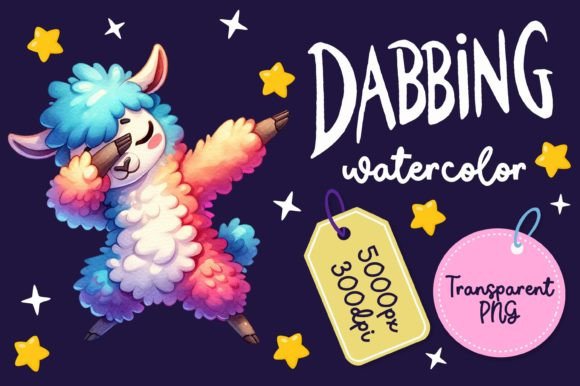
Reviewing Cute Dabbing Toucan Watercolor for Embroidery
As a professional embroidery designer and product reviewer, I approach every new machine embroidery design with a critical eye. It is not enough for a graphic to look appealing on a screen; it must translate effectively into thread, fabric, and texture. When evaluating the Cute Dabbing Toucan Watercolor file from the Illustrations category, my primary focus is on stitchability, commercial viability, and how well the watercolor aesthetic survives the digitization process. This review breaks down the practical realities of using this design for real-world projects, from custom apparel to small shop merchandise.
First Impressions and Visual Translation
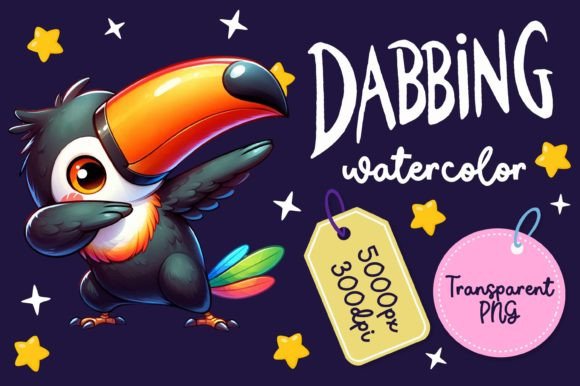
The initial appeal of Cute Dabbing Toucan Watercolor lies in its juxtaposition of a trendy, meme-inspired pose with a soft, artistic rendering. The dabbing gesture gives it immediate relevance for younger demographics or novelty gifts, while the watercolor style prevents it from feeling too aggressive or cartoonish. However, as an embroiderer, I immediately look at how those painted edges are defined. Watercolor designs often rely on shading gradients that can be difficult to replicate with thread. In this specific design, the transition from the bold toucan silhouette to the softer background elements requires careful attention to stitch density. If the digitizer has used excessive fill stitches to mimic paint strokes, the design could become stiff. Conversely, if they have relied too heavily on running stitches for detail, the image might lack definition on textured fabrics.
Visually, the layout feels balanced for center-chest placement or tote bag focal points. The shape of the toucan creates a natural triangular composition that anchors well without requiring excessive framing or additional decorative elements. This makes it an efficient choice for Etsy sellers and craft business owners who need designs that maximize hoop space without wasting stabilizer or time.
Real-World Application: The Custom Sweatshirt Test
To truly evaluate this asset, I mentally placed it in a current production scenario: creating a batch of personalized sweatshirts for a boutique client targeting the teen and young adult market. Sweatshirt fleece is unforgiving; it is thick, stretchy, and prone to swallowing fine details. For Cute Dabbing Toucan Watercolor to succeed here, the outline integrity must be solid.
In this application, I would treat this as a potential applique design hybrid if the file supports it, or ensure the satin stitch borders are wide enough to prevent fraying on the fleece nap. The "dabbing" arm position creates a negative space that is crucial for visual clarity. On a dark navy or charcoal sweatshirt, the bright tropical colors of the toucan will pop, but only if the underlay is sufficient to prevent the fabric color from bleeding through the lighter thread areas. For custom apparel, this design offers high perceived value because it looks hand-painted rather than mass-produced, provided the stitching order allows for proper layering of the watercolor effects.
For tote bag design projects, specifically on canvas, this illustration performs exceptionally well. Canvas provides a stable foundation that supports the likely density of a watercolor-style graphic. The playful nature of the dabbing toucan turns a standard utility item into a fun, giftable handmade product. I can easily envision this as a best-seller for makers focusing on eco-friendly accessories or student gear.
Navigating Fabric Limitations and Hoop Constraints
While versatile, Cute Dabbing Toucan Watercolor demands respect regarding substrate selection. There are specific scenarios where I would advise caution:
- Sheer or Lightweight Fabrics: The complexity required to render a watercolor effect usually results in higher stitch counts. On thin cotton voile or performance wear, this could cause puckering or tearing. Always verify the design’s density before attempting baby embroidery on delicate onesies.
- Curved Surfaces: The horizontal span of the dabbing arms may distort on structured caps. Unless you have a specialized cap frame and the design is specifically digitized for curved surfaces, stick to flat embroidery project items like pillow covers or aprons.
- Small Hoop Sizes: Reducing a detailed illustration significantly can result in lost definition. If your hoop size forces you to shrink the design below 3 inches, inspect the digital file first. Tiny lettering or intricate feather details may turn into a muddy blob of thread.
- High-Pile Textiles: On terry cloth towels or plush blankets, the watercolor nuances may get lost. You would need to use a heavy-duty stabilizer and potentially a topping to keep the stitches visible and crisp.
Understanding these limitations protects your reputation. A finished product that looks amateurish due to poor fabric pairing reflects badly on your brand, regardless of how beautiful the original digital file was.
Commercial Viability and Brand Consistency
For digital product sellers and shop owners, consistency is key. Does Cute Dabbing Toucan Watercolor fit your existing catalog? If your shop specializes in vintage florals or minimalist line art, this bold, trendy illustration might feel out of place. However, for creators focusing on nursery decor, Gen Z fashion, or humorous holiday embroidery, it is a strong contender.
When creating printable mockups for listings, ensure you represent the texture accurately. Do not simply overlay the PNG of the design onto a shirt template. Customers trust sellers who show actual stitch-outs or highly realistic renders that acknowledge the tactile nature of embroidery. This transparency reduces returns and builds confidence in your commercial embroidery services. Furthermore, always double-check the licensing terms associated with this digital embroidery file. Confirm whether you are permitted to sell physical items featuring this design or if it is restricted to personal use. Protecting your business means respecting intellectual property rights.
Essential Designer Notes for Success
Before loading this design into your machine for a paid order, follow this practical checklist to ensure professional results:
- Test Stitch on Scrap: Never assume default settings work. Test Cute Dabbing Toucan Watercolor on a scrap of your exact project fabric. Check for registration issues between color blocks.
- Verify Thread Colors: Watercolor designs often require specific blending. Compare the recommended thread colors against your inventory. Substitutions can alter the mood entirely; a neon green instead of a sage green changes the aesthetic from soft to jarring.
- Assess Stabilizer Needs: Based on your test, determine if you need cut-away, tear-away, or wash-away stabilizer. For stretchy knits, a fusible mesh backing is often non-negotiable to maintain the shape of the dabbing arms.
- Check Contrast: View the design in black and white before stitching. If the values are too similar, the watercolor depth will disappear. Adjust thread tones to ensure distinct separation between light and shadow areas.
- Inspect Small Details: Zoom in on the file. Are there jump stitches that need trimming? Is the beak detail clear? Cleaning up the file digitally before stitching saves hours of post-production labor.
Ultimately, Cute Dabbing Toucan Watercolor represents a fun intersection of internet culture and traditional craft. It offers creative entrepreneurs a unique opportunity to create personalized gift items that feel current yet timeless. By approaching this design with technical discipline and thoughtful application, you can transform a digital illustration into a tangible, high-quality asset that delights customers and elevates your handmade portfolio. Whether you are producing small shop product lines or fulfilling custom requests, success lies in the details of execution.