Earth Day Watercolor Clip Art: Illustrations for Crafters
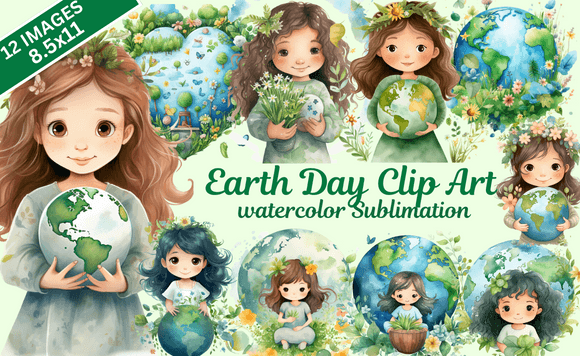
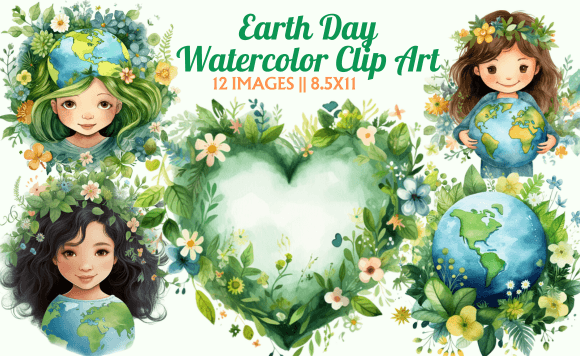
As a handmade business owner who has navigated countless seasonal rushes, opening a new graphic design asset file always brings a mix of excitement and caution. When I first loaded the Earth Day Watercolor Clip Art into my design software, the immediate impression was one of organic softness and genuine eco-conscious charm. Unlike the harsh, neon greens often associated with environmental themes, these illustrations carry a muted, botanical elegance that feels premium rather than generic. The mood is distinctly rustic yet refined, suggesting a customer base that values sustainability, nature-inspired aesthetics, and thoughtful gifting. For my Etsy shop, this style signals to buyers that my products are curated with care, appealing to those looking for eco-friendly wedding stationery, sustainable nursery decor, or earthy market accessories.
Real-World Applications for Seasonal Handmade Products
In my studio, versatility is non-negotiable. I tested this clipart across multiple mediums to see how it performs in actual production workflows. For Cricut project enthusiasts and Silhouette users, the watercolor texture adds depth that flat vector art simply cannot achieve. I found these assets particularly effective for sticker design. By using the print-then-cut feature, the soft edges of the watercolor blend beautifully into planner stickers and journal embellishments without requiring aggressive weeding. The organic shapes feel natural on paper, making them ideal for scrapbooking and eco-themed greeting cards.
For apparel and hard goods, the application requires a slightly different approach. I utilized the high-resolution PNG files for sublimation design on ceramic mugs and tumbler wraps. The watercolor washes translated exceptionally well onto white-coated substrates, creating a vintage, hand-painted look that customers love. However, for t-shirt design, I recommend using these as background elements or accent graphics rather than the primary focal point if you are working with dark fabrics. Watercolors inherently rely on light tones; they shine brightest on cream, sage, or white cotton tees where the transparency can interact with the fabric color. For tote bags and canvas items destined for a local craft fair, these illustrations provide an instant "green" aesthetic that aligns perfectly with reusable product messaging.
Where These Illustrations Shine in Commercial Design
Every design bundle has its sweet spot, and Earth Day Watercolor Clip Art excels in specific commercial applications. Based on my testing, this asset is a powerhouse for:
- Printable Design: Wall art, educational posters for classrooms, and eco-tips checklists render crisply at home printer resolutions.
- Small Business Branding: Perfect for sustainable packaging, thank-you cards, and social media templates during April campaigns.
- Product Mockup Enhancement: Adding subtle leafy accents to mockups helps visualize the final handmade product for customers.
- Digital Product Creation: Ideal for digital planner stickers, GoodNotes covers, and printable party favor tags.
- Seasonal Bundles: Pairs seamlessly with other spring assets to create comprehensive Earth Day collections for creative marketplace listings.
The strength here lies in the emotional connection. When selling Etsy product listings, customers aren't just buying a graphic; they are buying the feeling of supporting the planet. These illustrations communicate that value instantly without needing excessive text.
Technical Limitations and Crafting Cautions
Honesty is vital in our community, so let’s discuss where to tread carefully. While beautiful, watercolor illustrations present unique challenges for vinyl cutting machines. If you attempt to cut intricate details from these files using adhesive vinyl, you may encounter frustration. The textured edges and internal shading variations can confuse optical sensors and result in jagged cuts. I strongly advise against using these for detailed layered vinyl projects or tiny decals under two inches. Instead, reserve the SVG cut files for simpler silhouettes or use the PNG format exclusively for print-then-cut applications.
Additionally, be mindful of contrast. Because watercolors are translucent by nature, placing these designs on dark backgrounds without a solid white underbase will cause them to disappear. In print-on-demand scenarios, always verify your provider's printing capabilities regarding white ink. For mug design and tumblers, ensure the artwork is placed away from the extreme bottom curve to prevent distortion during the heat press process. Finally, avoid overcrowding compositions. These assets need breathing room to maintain their elegant, airy aesthetic; cluttering them undermines the very vibe that makes them special.
Essential Workflow Notes for Makers and Sellers
Before listing any finished item derived from this commercial design asset, run through this practical checklist to protect your business reputation and product quality:
- Verify the Commercial License: Never assume usage rights. Confirm specifically whether the license covers physical end products, digital downloads, or both before creating inventory.
- Test Cut and Print: Always produce a physical prototype. Colors on screen differ significantly from ink on paper or sublimation ink on poly-coated surfaces.
- Check File Integrity: Inspect SVG nodes for stray points that could ruin a cut. Ensure PNG transparency is clean without white halos around the edges.
- Typography Pairing: Match the font to the mood. A delicate serif or organic handwritten font complements these watercolors better than bold, industrial sans-serifs.
- Mockup Realism: Use realistic product mockup templates that show texture. Flat digital previews don't sell handmade goods as effectively as lifestyle images showing the art on real materials.
- Resize Responsibly: Maintain aspect ratios when scaling for different products. Stretching watercolor textures creates pixelation that looks unprofessional.
Building a Sustainable Handmade Business Strategy
Integrating Earth Day Watercolor Clip Art into your lineup is about more than just a single holiday; it is about establishing a brand identity that resonates year-round with eco-conscious consumers. As a handmade business owner, I view this asset as a foundational element for spring collections that can transition into general botanical offerings post-April. The key to maximizing ROI on design assets is repurposing. A floral wreath used for an Earth Day card can become a summer wedding invitation accent with a simple color grade adjustment. A leaf border used for a tumbler wrap can serve as framing for Instagram stories promoting sustainable living tips.
For sellers in the creative marketplace, differentiation is survival. Many shops offer generic recycling icons or cartoon globes. By choosing sophisticated watercolor illustrations, you elevate your perceived value and attract buyers willing to pay premium prices for artisanal quality. Remember that your customers are also makers, gift-givers, and small business owners themselves. They appreciate the nuance of genuine artistry over clip-art clichés.
Ultimately, successful crafting businesses thrive on the intersection of beautiful design and technical competence. This asset provides the former, but your expertise must supply the latter. Take the time to understand the medium limitations, respect the licensing terms, and test thoroughly. When executed correctly, Earth Day Watercolor Clip Art becomes more than just a digital file; it transforms into tangible, meaningful products that celebrate our planet while growing your creative enterprise. Whether you are preparing for a weekend market, fulfilling custom orders, or expanding your digital download catalog, let these illustrations serve as a gentle, artistic reminder of why we craft with intention.